geeky NEWS: Navigating the New Age of Cutting-Edge Technology in AI, Robotics, Space, and the latest tech Gadgets
As a passionate tech blogger and vlogger, I specialize in four exciting areas: AI, robotics, space, and the latest gadgets. Drawing on my extensive experience working at tech giants like Google and Qualcomm, I bring a unique perspective to my coverage. My portfolio combines critical analysis and infectious enthusiasm to keep tech enthusiasts informed and excited about the future of technology innovation.
The Closing Conversation at Stanford HAI: Two AI Builders Talk Hype, Limits and Hope
AI Summary
At a Stanford HAI fireside chat, former Google AI head Jeff Dean joined Fei-Fei Li to discuss his new startup, Discovery Loop, which automates the scientific experiment cycle to boost expert productivity up to 50-fold. Dean demystified AI hype by distinguishing simple task-driven self-improvement from true recursive self-improvement, emphasizing that physical compute and time limits prevent infinite-speed AI loops. Reflecting on AI milestones like the Transformer and his past architectural misjudgments, Dean concluded that while machine automation will dramatically accelerate research and engineering, human direction, policy, and passion remain essential to shaping AI's societal impact.
November 08 2026 00:40
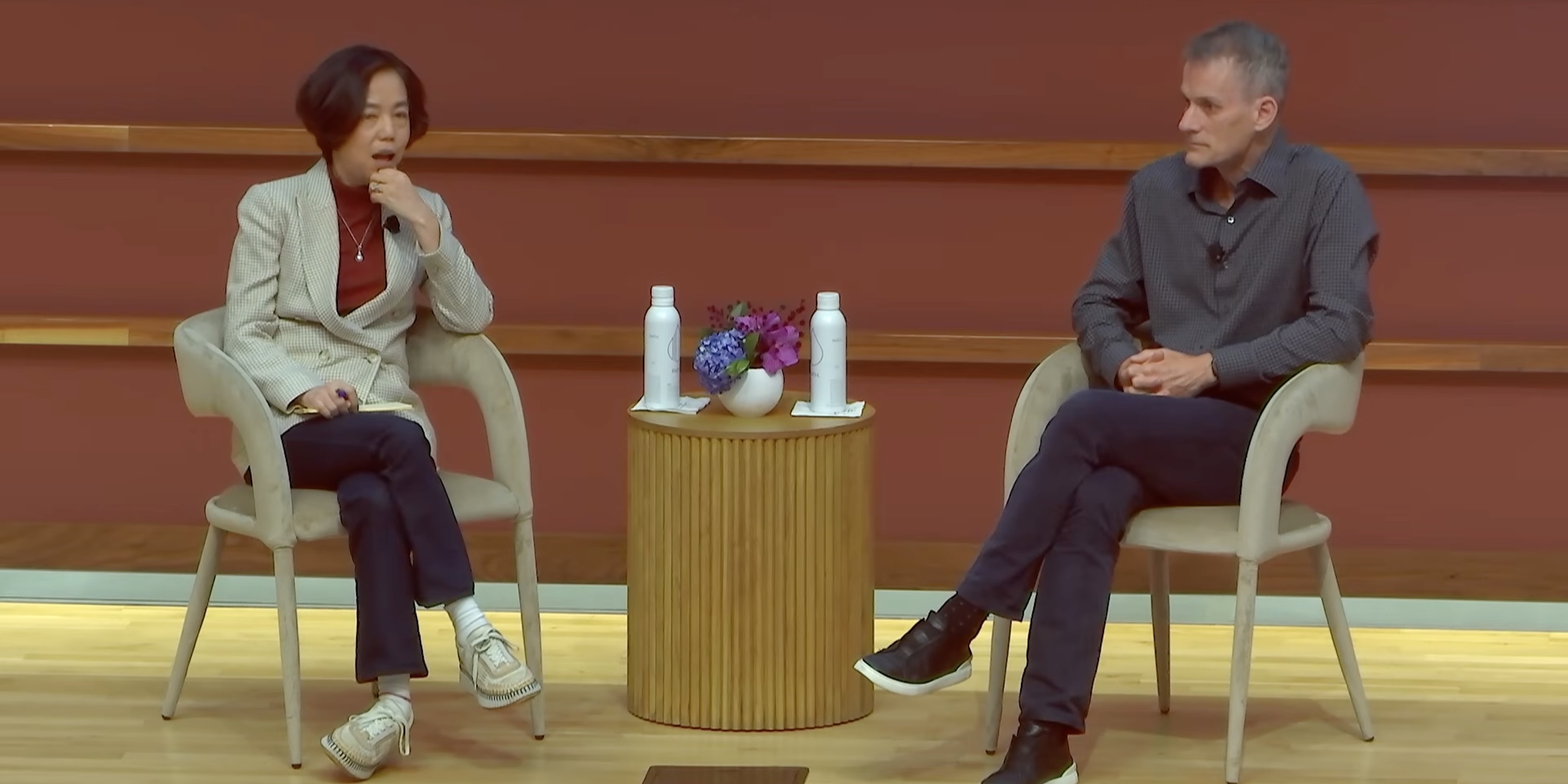
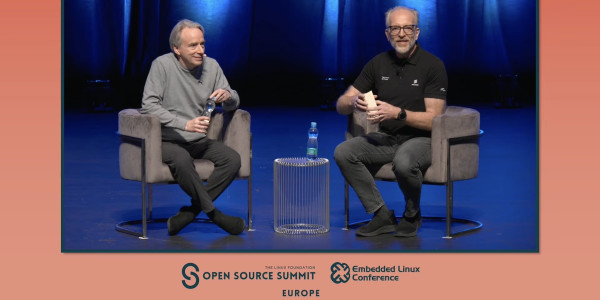
The last session of a long conference is usually a polite wind down. The closing fireside chat at Stanford's Institute for Human Centered AI was closer to a seminar. The event, titled Stanford HAI event page for Confronting Our AI Future Confronting Our AI Future: Hope, Fear, and the Choices Ahead, spent the day on governance, speed and design. Then it handed the final slot to Jeff Dean and Fei-Fei Li.
Why a Google lifer left
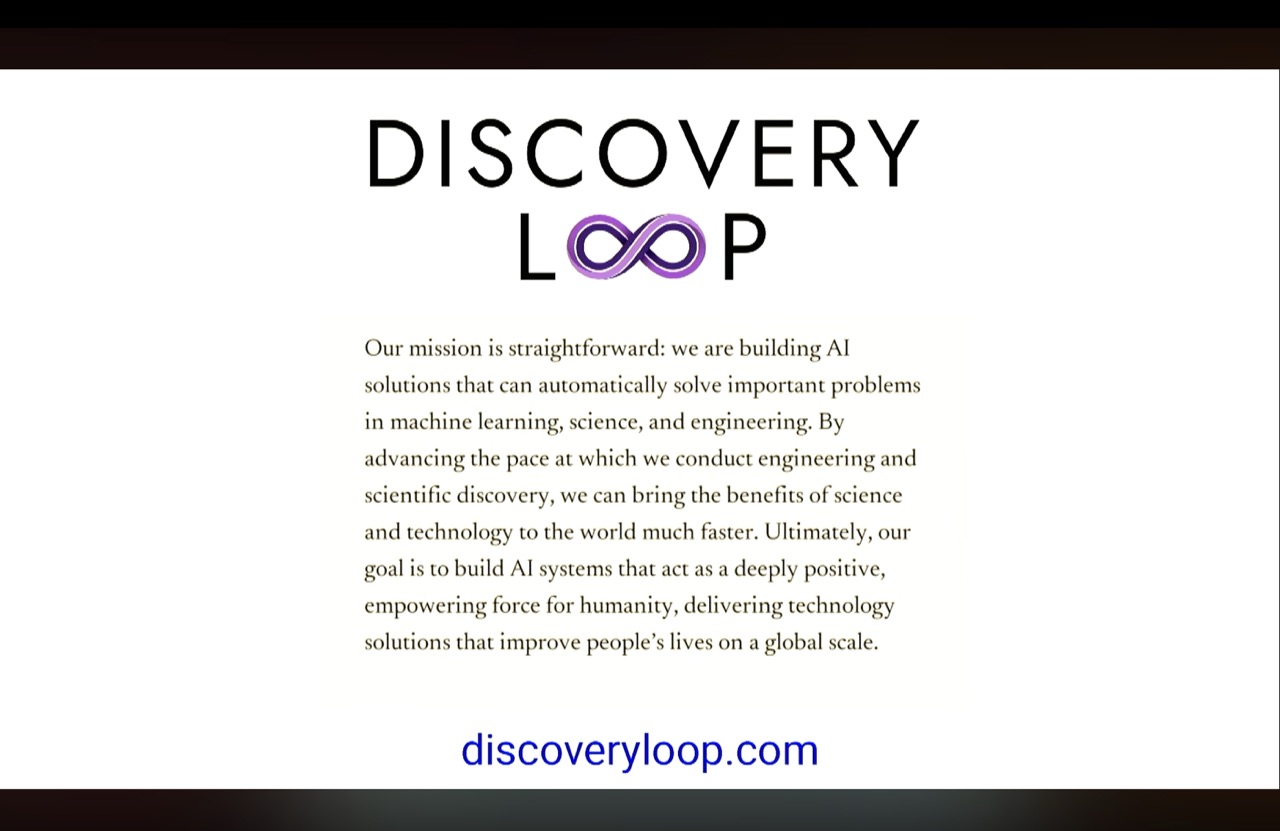
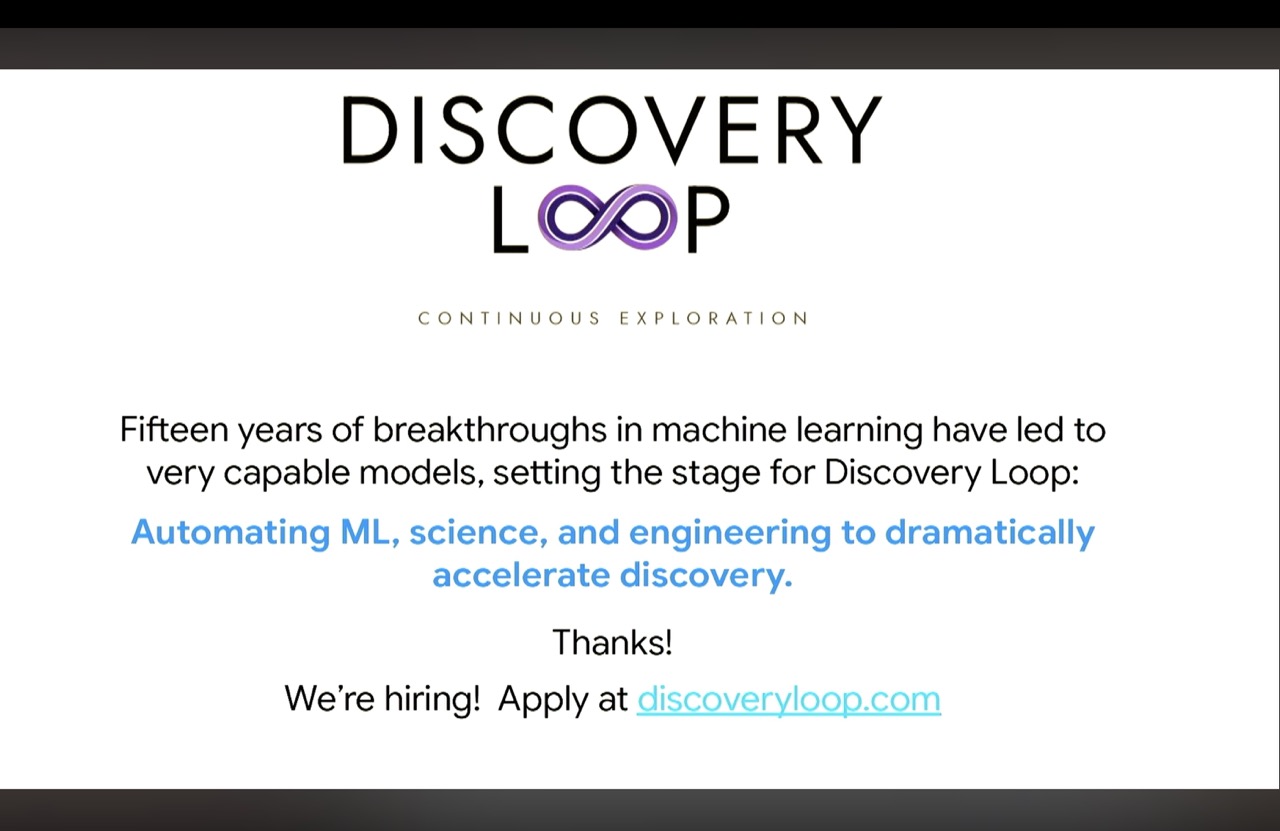
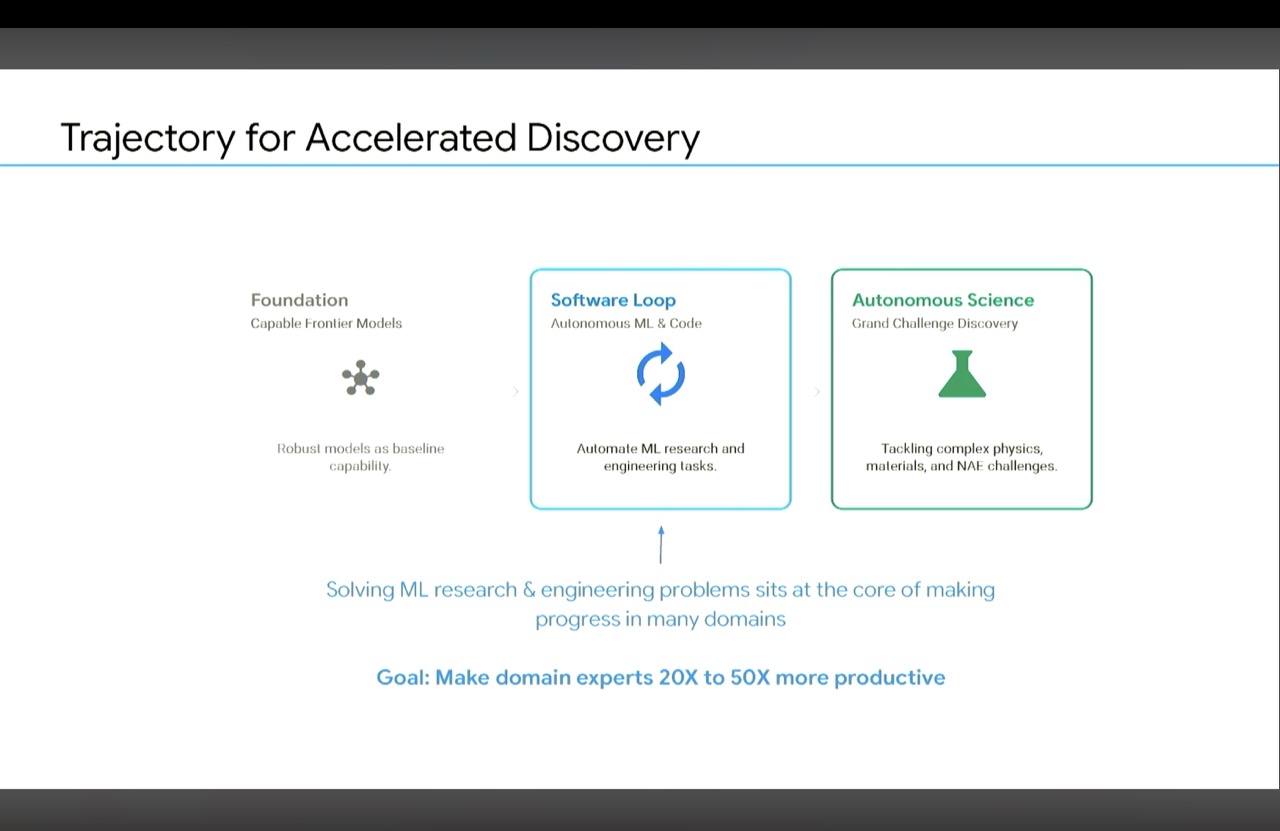
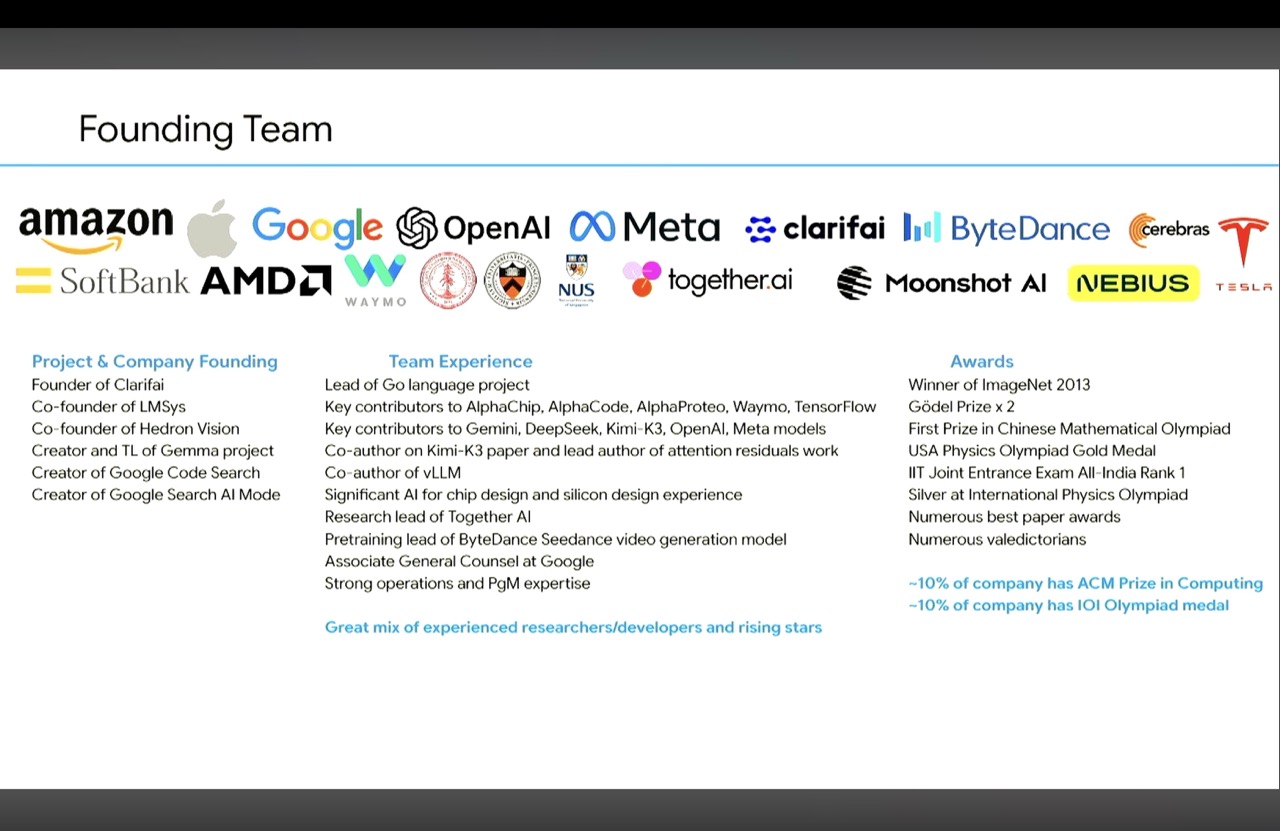
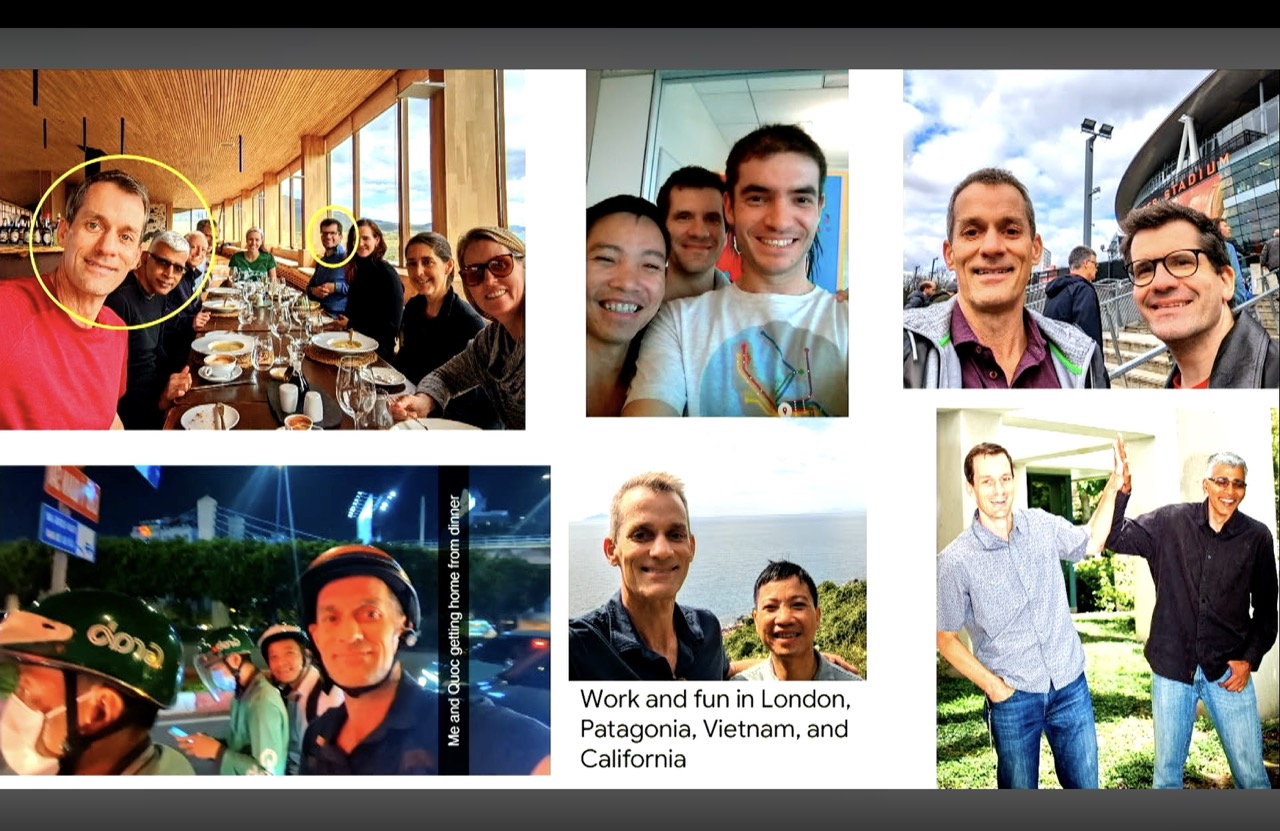
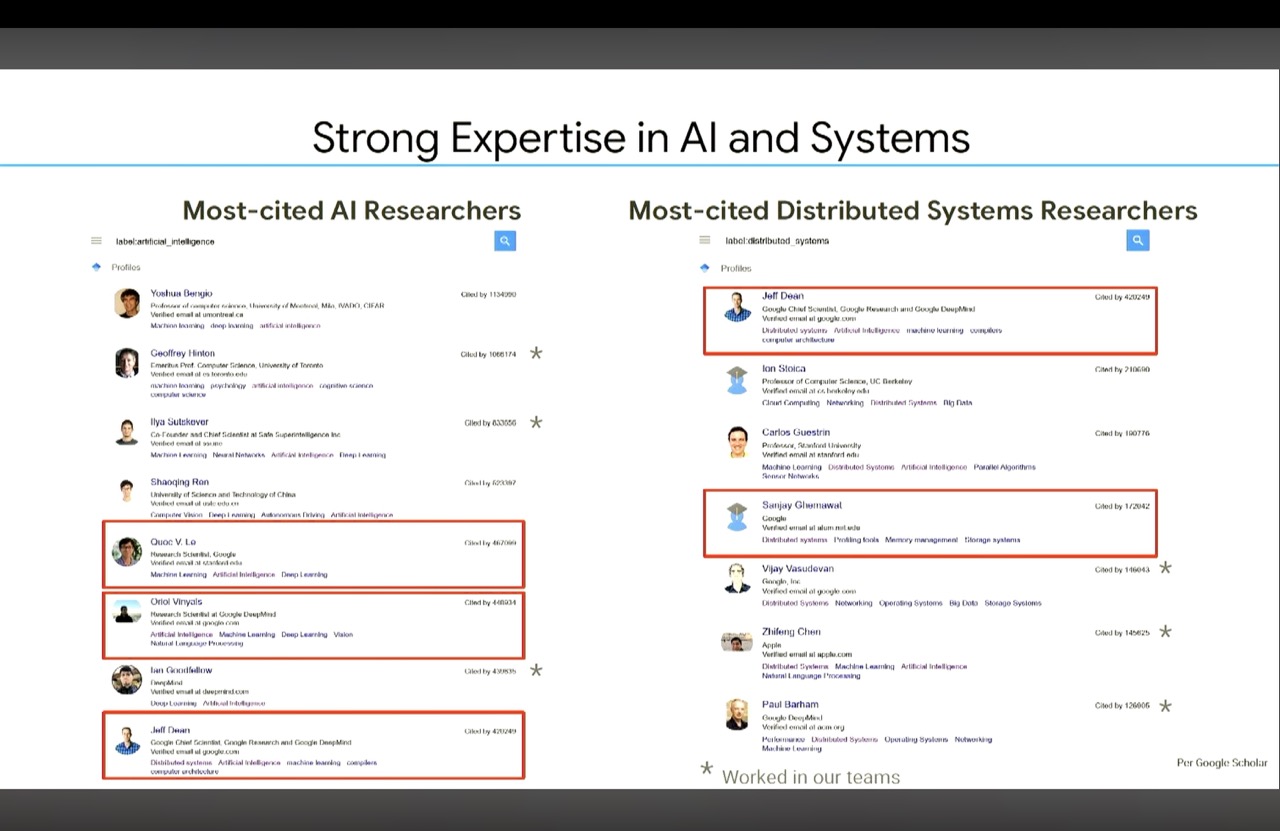
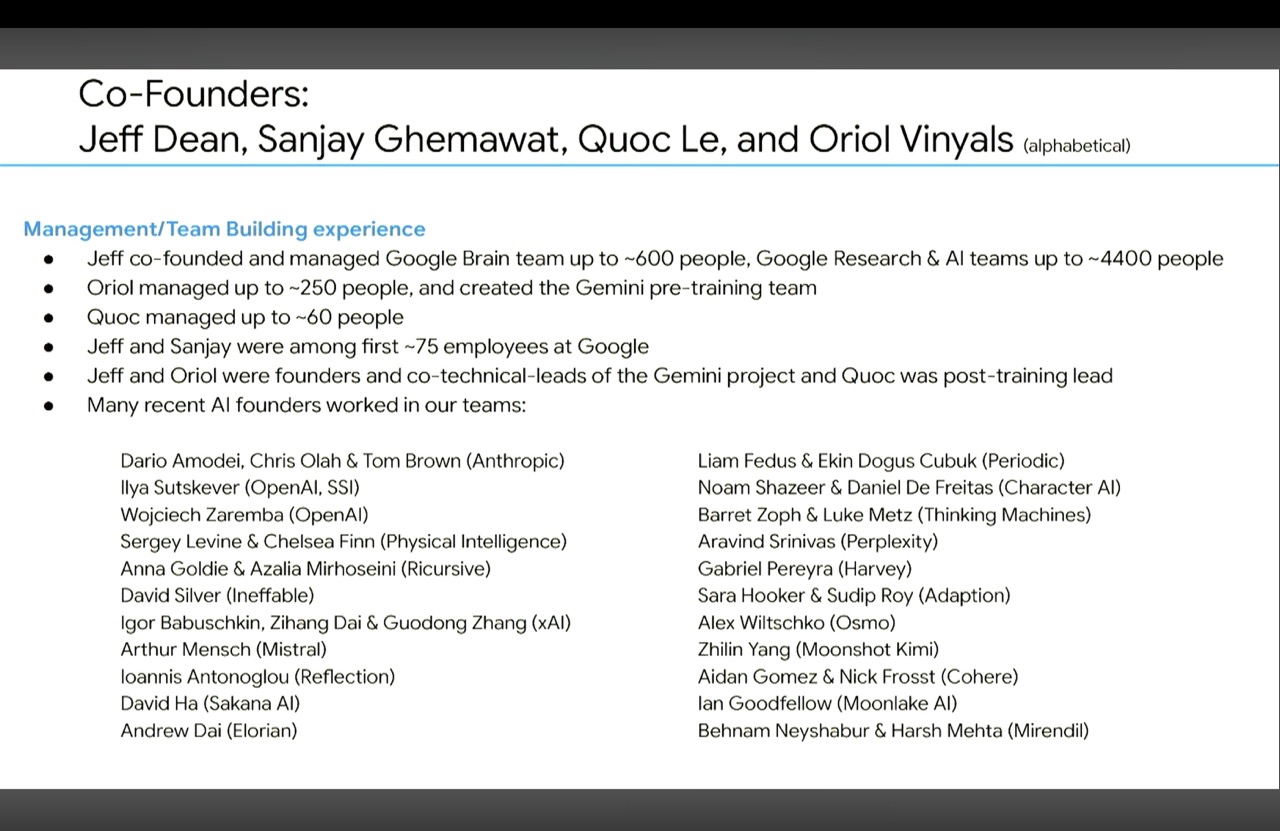
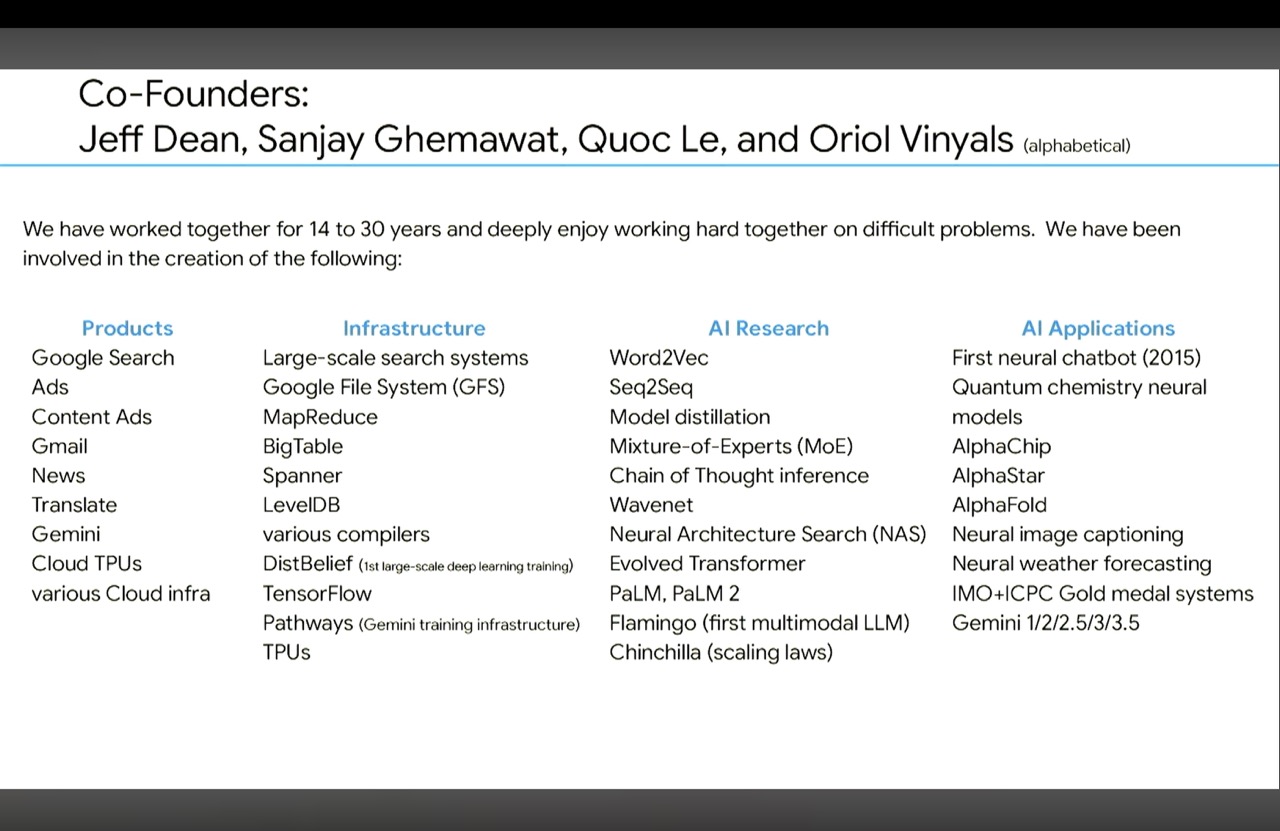
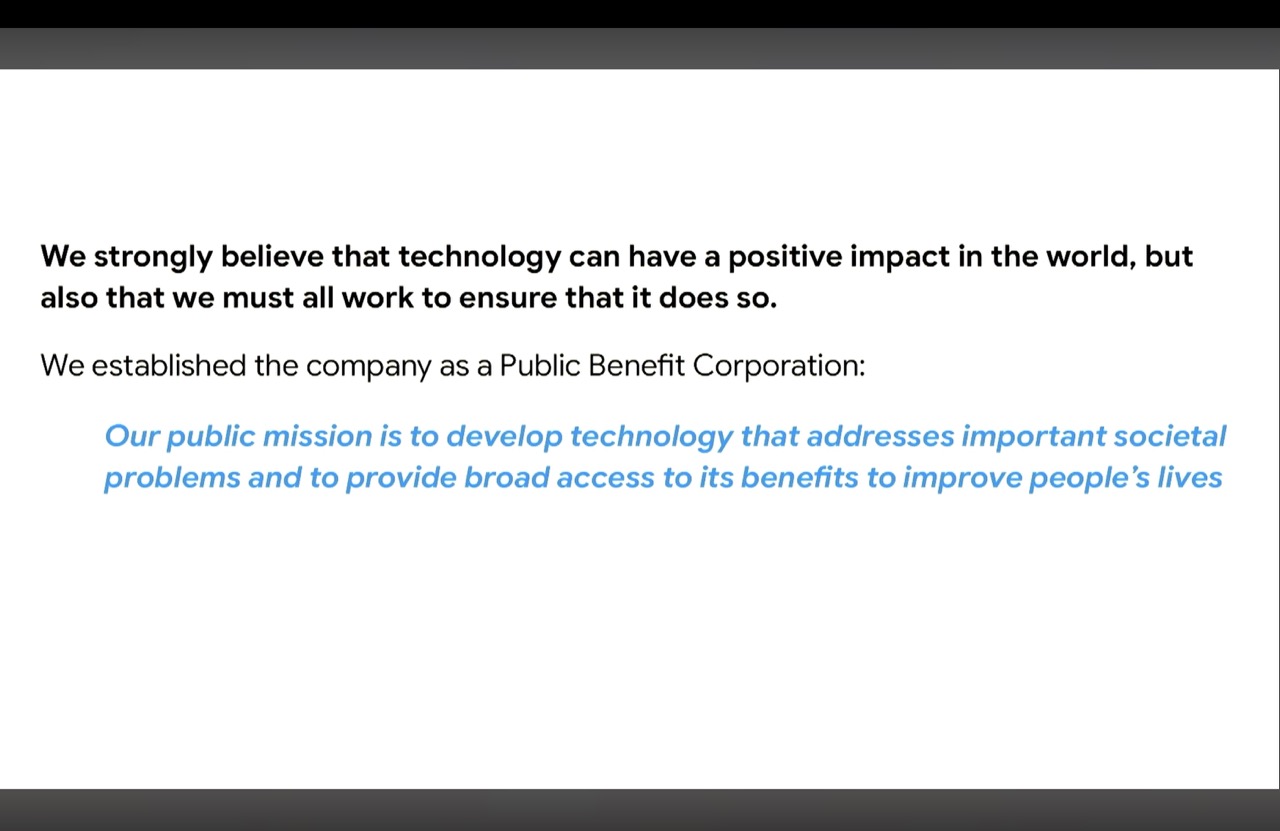
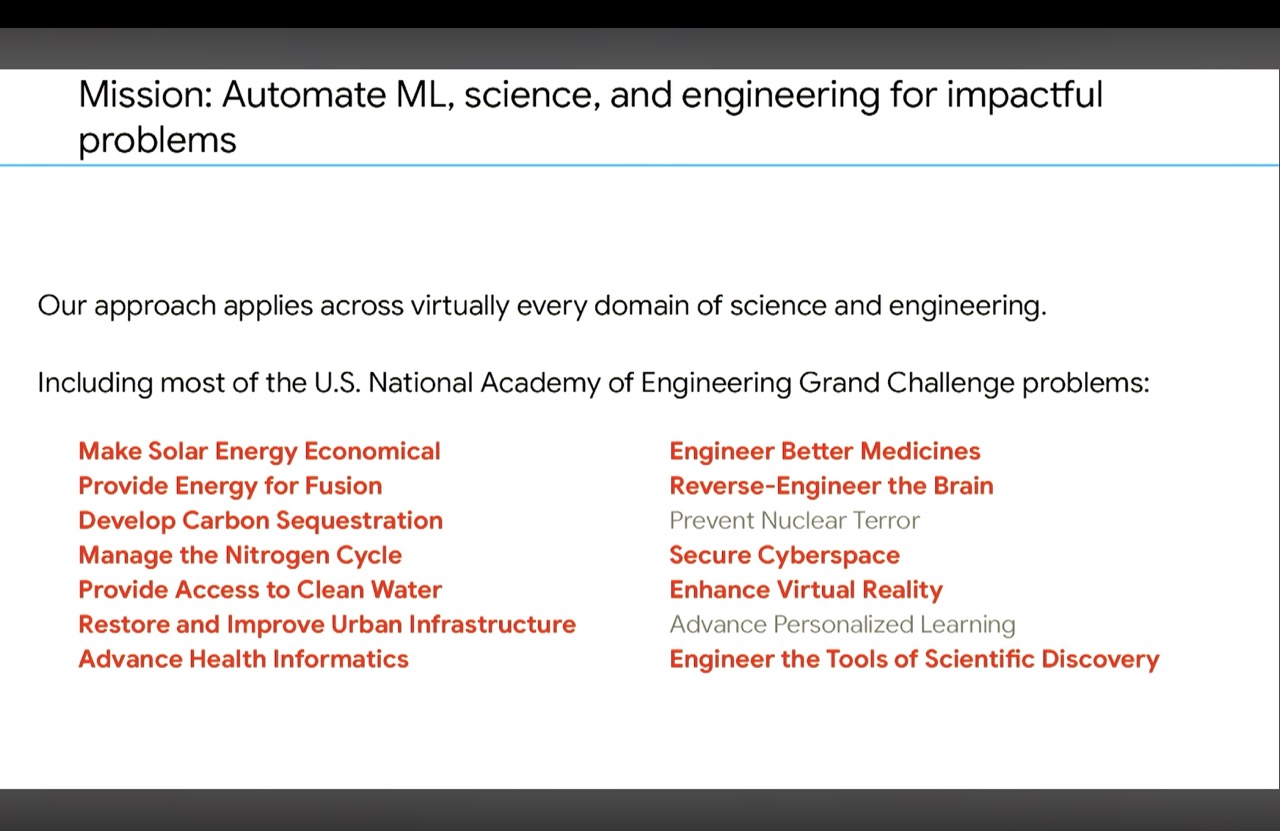
Dean joined Google in 1999 and stayed 27 years. In August he and three longtime colleagues, Sanjay Ghemawat, Oriol Vinyals and Quoc Le, resigned on the same day to found Discovery Loop. It is a public benefit corporation, and Google is an investor and cloud provider.
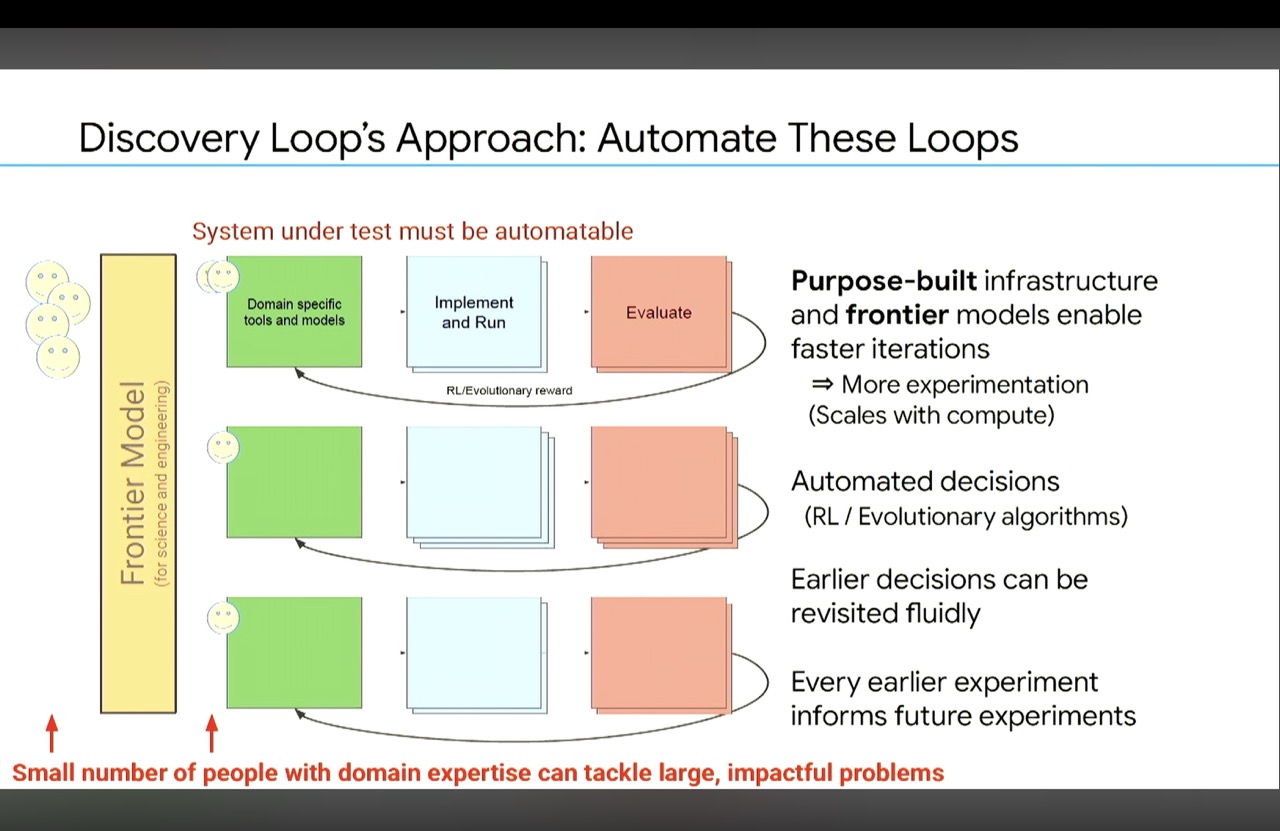
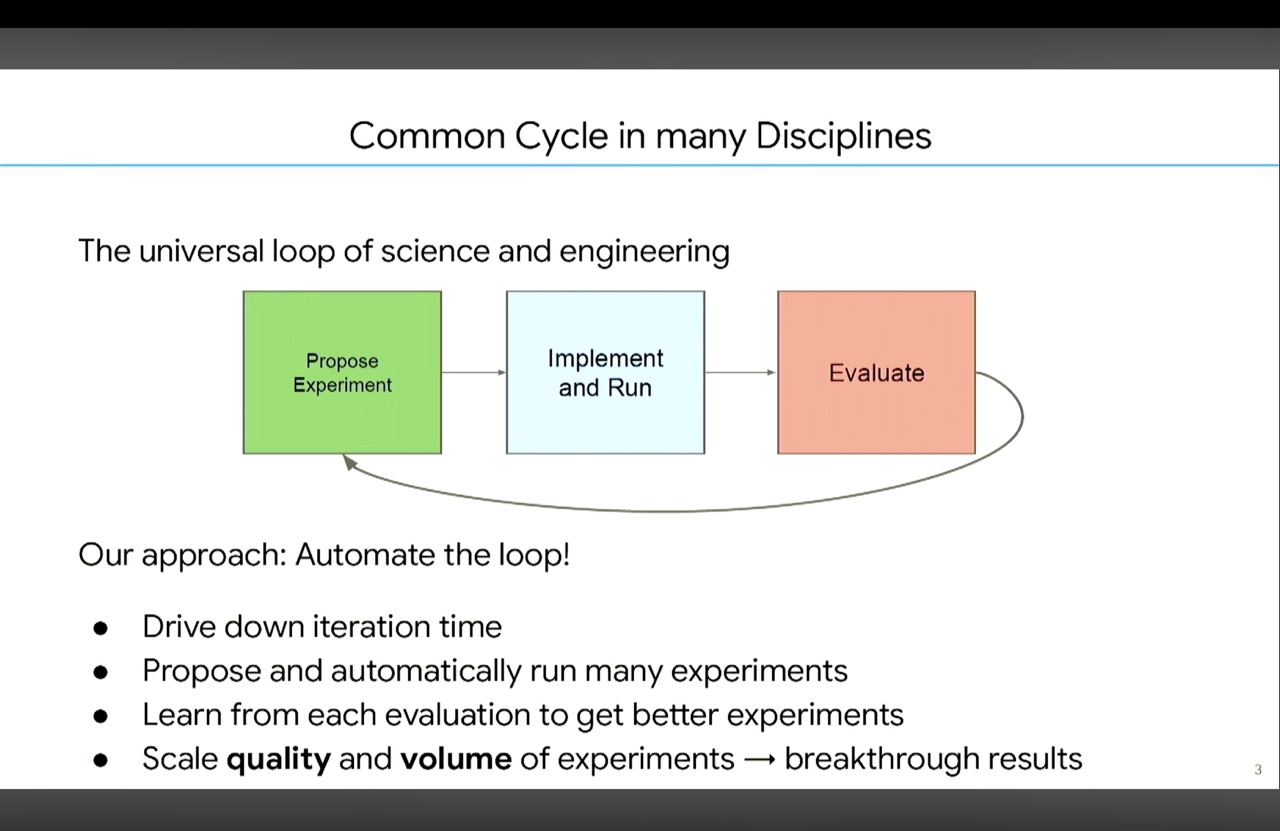
The pitch is simple to state. Science and engineering run on one cycle: propose an experiment, run it, look at the results, decide what to try next. Dean wants to automate that cycle. If you shorten each turn of the loop, run many experiments in parallel, and make every result inform the next proposal, he argues, you get better results at a much higher volume.
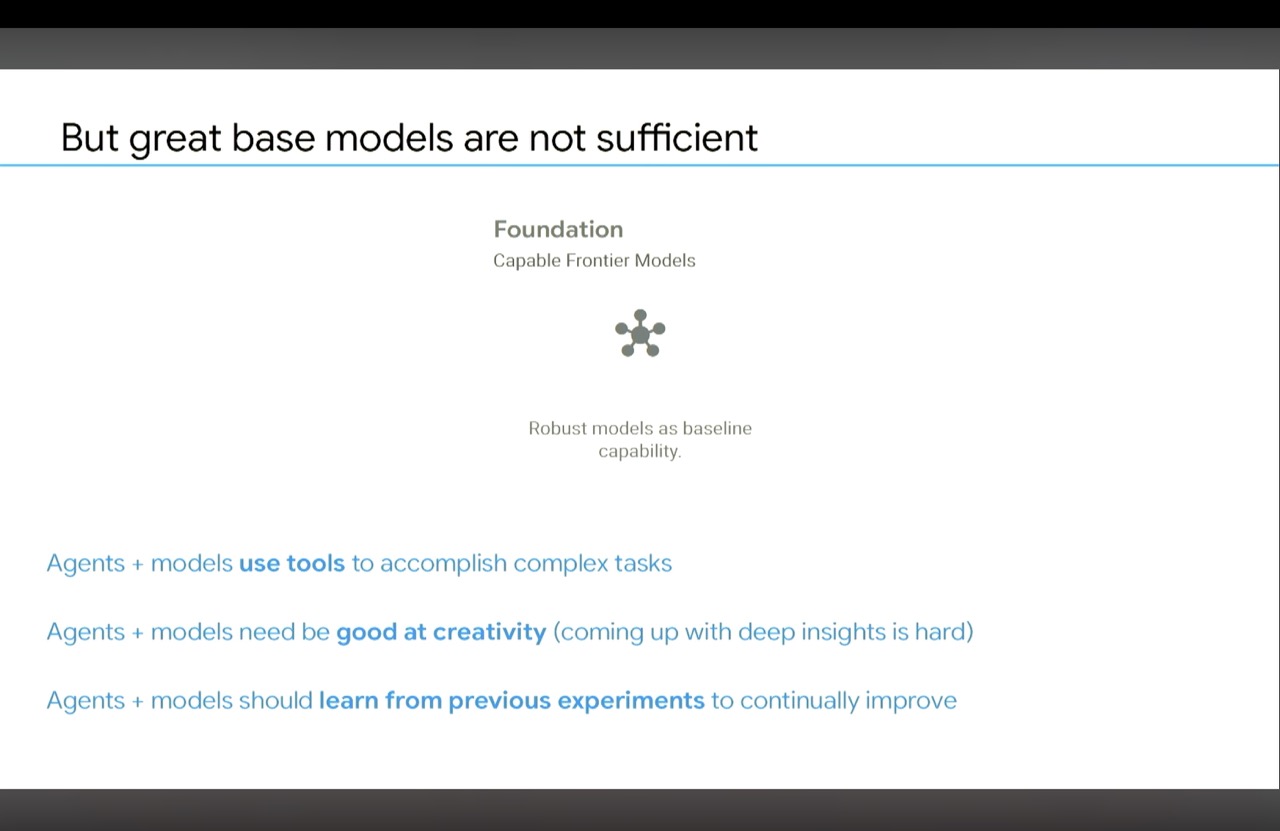
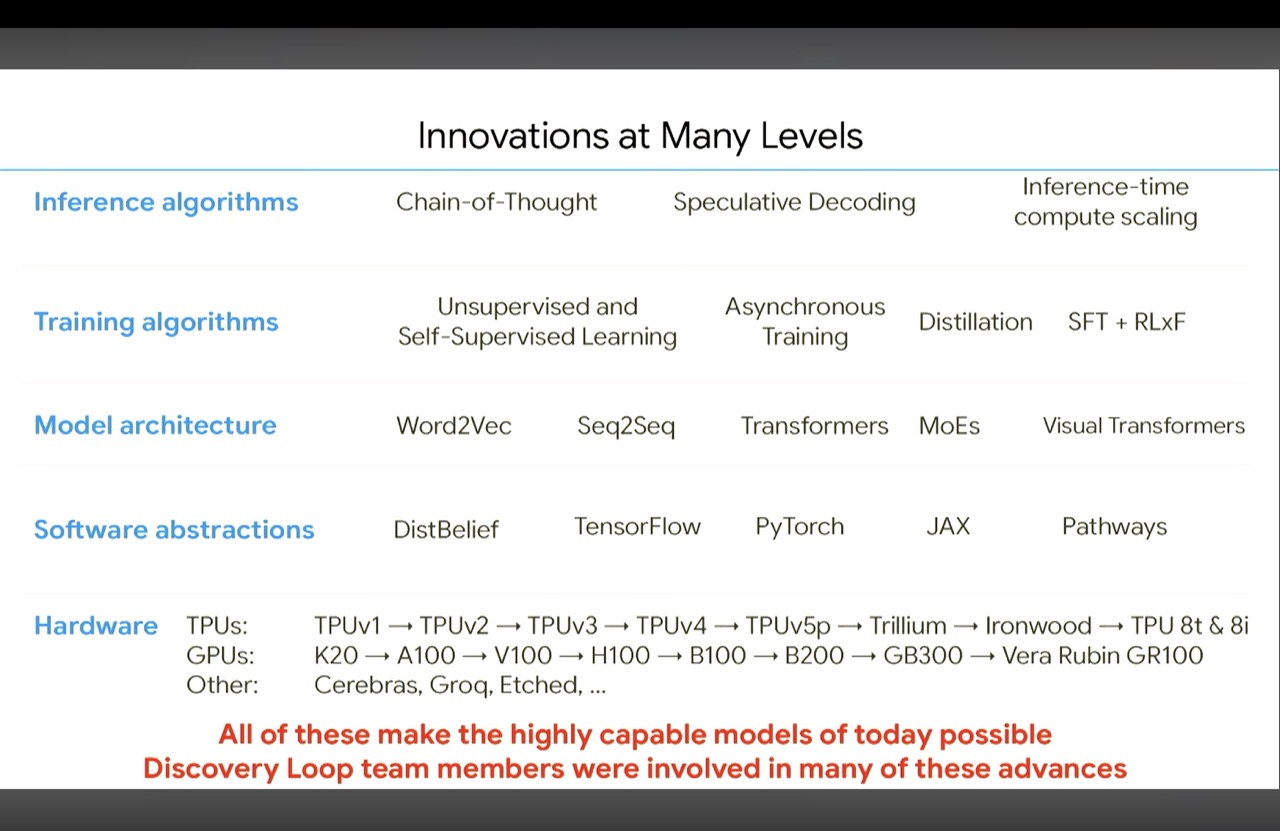
He made the case for why this is timely. Hardware, software abstractions, model architectures, training methods and inference methods have all improved over the past 10 to 15 years. But a strong base model is not enough. In his view you also need agents that can use tools well, that are creative rather than just repeating known work, and that learn from earlier experiments, including the thousands of problems they have already solved.
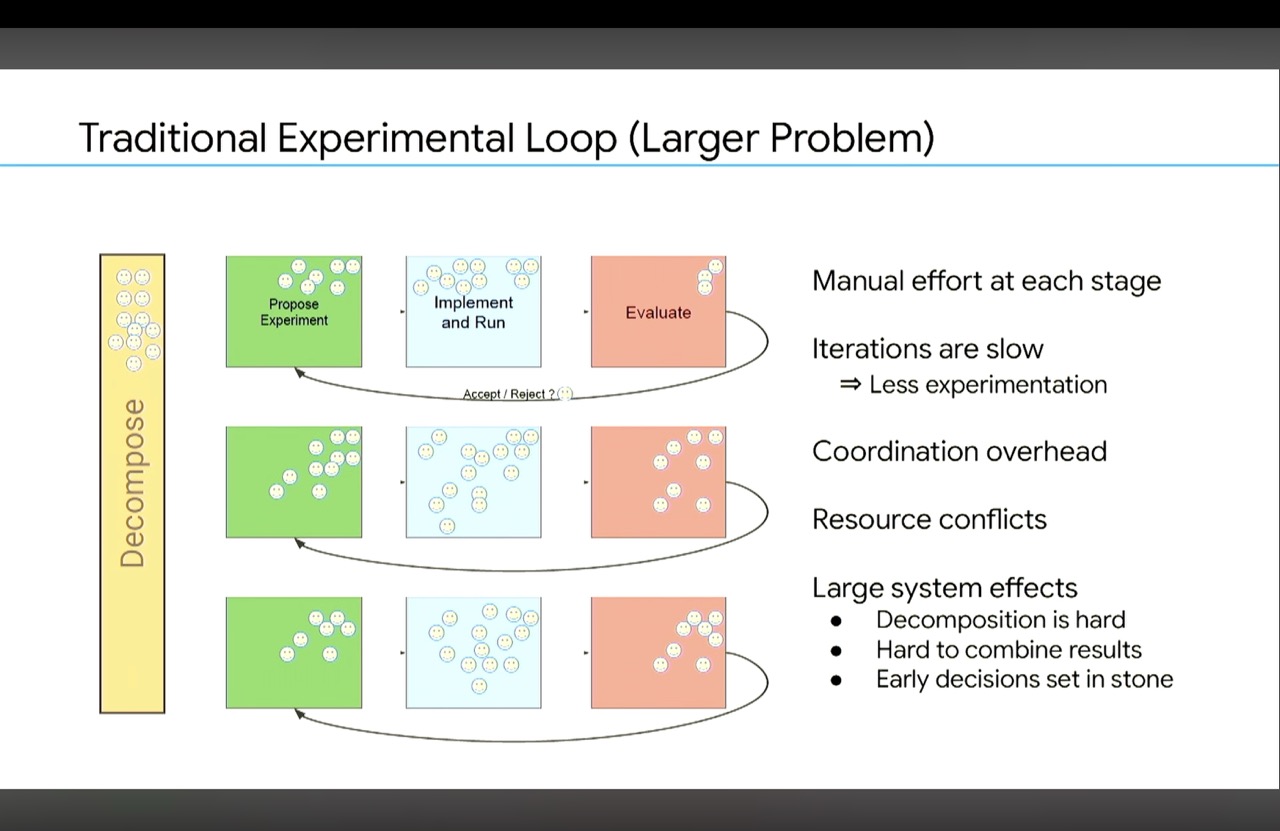
He also explained why large human projects struggle. Building an airplane or training a frontier model means breaking a huge problem into subproblems, and that decomposition is hard to get right and harder to change later. Coordination costs pile up. His hope is that a small group of domain experts could steer a system that decomposes the problem itself and revisits those early choices as results come in.
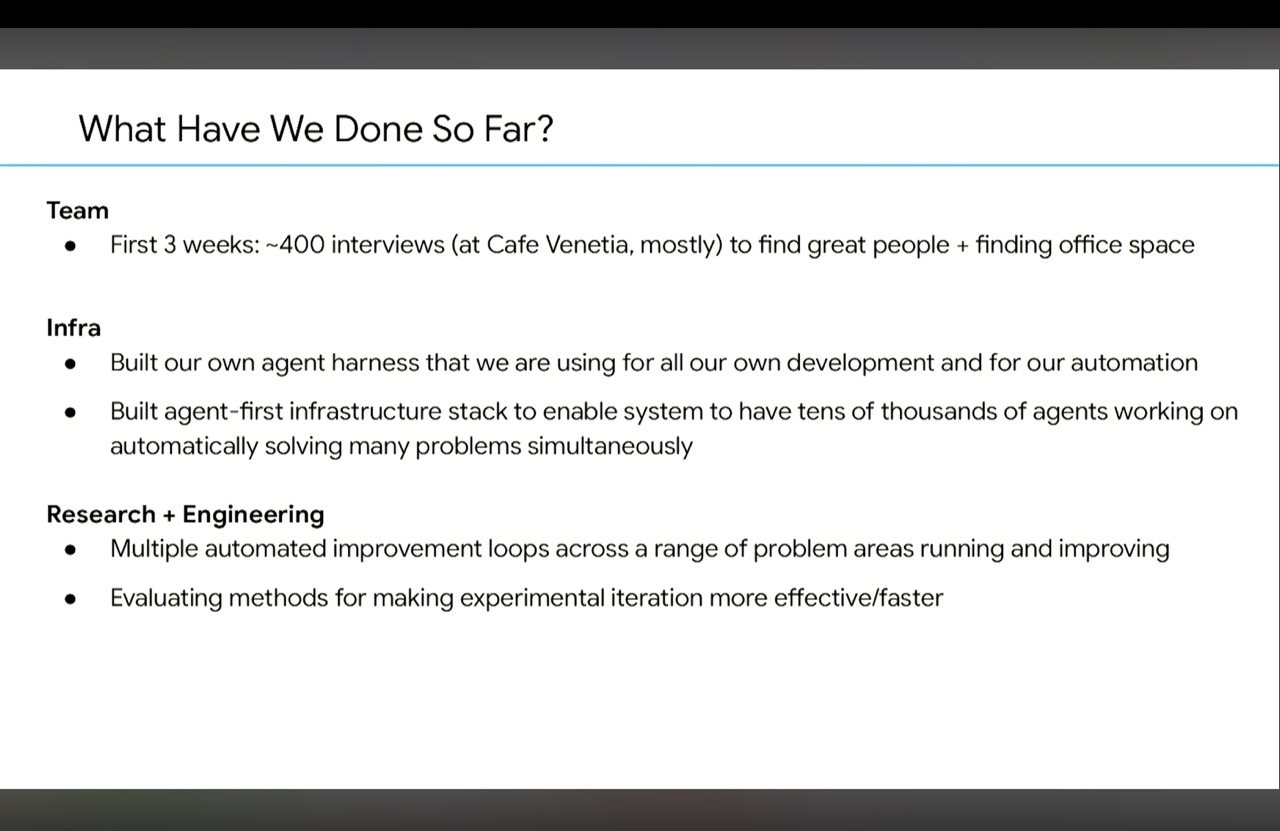
The company is early, and the numbers he gave were modest and concrete. The first three weeks involved 400 interviews, mostly at one cafe on University Avenue in Palo Alto. The office is in a former restaurant. The team has built its own agent harness, runs roughly 20 automated improvement loops internally, and is aiming to make domain experts 20 to 50 times more productive. Dean was careful to say the goal is to empower experts, not remove them.
At Google he managed up to about 4,400 people in research and AI, got tired of meetings about quarterly operating spending, and sent an email that took him from 4,400 reports to four. Then Geoffrey Hinton retired, and he had three.
Two definitions that clear up a lot of confusion
The most useful stretch of the conversation was Li pressing Dean for rigor. She pointed out that the idea has had many names over the years, including incremental learning, continuous learning, meta learning, lifelong learning and neural architecture search, and that Silicon Valley now uses recursive self improvement loosely. As a scientist, she said, that bothers her.
Dean gave a clean split. A self improving system is pointed at a goal with a measurable objective, such as building a model that interprets MRI scans, and it tries approaches and gets more accurate. That is not recursive, because the system doing the proposing stays the same. Recursive self improvement means the improvement process improves the very system that decides what to try next.
Li offered a human analogy. Learning to cook an omelet by burning the first one is self improvement. But she suggested that genuine recursion would require her brain itself to change in the process. Dean agreed that people are both. You learn specific skills, and you also learn how you learn, which makes every later skill faster to pick up.
The physics of the loop
Li then asked what is hype and what is fiction. Dean was direct. Some people imagine the loop running infinitely fast, and he finds that implausible. Improving a base model means real training runs and real experiments, computers have to finish their computations, data has to be saved, and results have to be examined before the next decision. That takes real time. Automation helps, for example by removing the gap between an experiment finishing at 2 a.m. and a human looking at it at 8 a.m., and it can improve decisions across a whole project. It will speed things up. It will not make them instant.
His framing was a practical one: treat this as an engineering system doing work, and it becomes less scary and easier to reason about. He made the same point about where the company starts. It is focused on problems where the entire loop can run in digital form, which is why it begins with machine learning research and engineering and hardware design. Health care is an area he wants to reach later, and a system that can solve machine learning tasks automatically could be aimed at problems in health or materials science. He called that self improvement but not recursive self improvement.
Reporting on the launch said the company is also interested in recursive self improvement. Dean's remarks on stage were more cautious about how fast that could go.
Experiments, theory and the math problem
Li, who trained in physics, asked whether a loop built on proposing and running experiments leans toward experimentalism over theory. Dean said it leans a bit that way, but that the two should not be treated as separate. A system could be asked for the simplest theory that explains a body of experimental data. And a system that has run a hundred million experiments across a hundred domains would pick up insights that cross the boundaries that academic departments draw.
Then came math, where Li admitted to mixed feelings about recent machine solved problems. Dean agreed the capability is real, but pointed to what is missing. Some of these proofs run to something like 500 pages in a formal proof language. They are checked by machines, yet no human sees the elegant idea behind them. Elegant solutions tend to produce techniques that open up other problems. Still, he said, knowing that a problem can be solved often pushes people to find a better route. In his view mathematicians now have to work out how to use the new capability to do more math.
What Dean got right and what he got wrong
Li gave Dean a pop quiz on stage, asking what happened on June 12, 2017. He guessed correctly: that was when the Transformer paper was posted. Asked what stood out over the years since, he named the Transformer, which lets a model attend to all its earlier states rather than squeeze them into one small vector, and distillation. The distillation work he did with Vinyals and Hinton, he said, was turned down by a conference and posted online instead. It shows how knowledge in a large model can be transferred to a small one, and he put its citation count at around 40,000.
On what he got wrong, he named two things. First, he expected mixture of experts models to lead to much stranger, more organic looking architectures, with columns of activity and rare long range connections. Most of today's versions are still quite regular. Second, he did not foresee how important coding ability would be for making models useful across so many tasks. Li said the same was true for her.
Shaping what comes next
Li closed with the human side, as the H in HAI invites. She asked what worries Dean most among jobs, anxiety and talk of extinction. He answered that this is a general technology touching nearly every field at once, which brings both excitement and fear. He pointed to a paper he coauthored, Shaping AI's Impact on Billions of Lives, which looked at seven areas, including employment, education, health care and science, and drew on interviews with domain experts. A companion site, ShapingAI.com, presents the work for audiences beyond researchers.
What worries him most is capturing the upsides while limiting the downsides. That is not purely a technical problem, he said. It involves policymakers and citizens too, and it includes helping people whose jobs change find good ways to adapt.
For the students in the room, he offered practical advice.
"The world is changing too quickly to plan neatly, so learn what new tools are arriving and how to use them for whatever you care about most, whether that is medicine, writing or software. Humans still decide what we want to do together."