geeky NEWS: Navigating the New Age of Cutting-Edge Technology in AI, Robotics, Space, and the latest tech Gadgets
As a passionate tech blogger and vlogger, I specialize in four exciting areas: AI, robotics, space, and the latest gadgets. Drawing on my extensive experience working at tech giants like Google and Qualcomm, I bring a unique perspective to my coverage. My portfolio combines critical analysis and infectious enthusiasm to keep tech enthusiasts informed and excited about the future of technology innovation.
Microsoft Ignite 2026: Satya Nadella Wants Copilot to Be Your Work Operating System
AI Summary
Satya Nadella opened Ignite 2026 with an apology for a major outage, then spent the rest of the keynote arguing that Microsoft should be where companies run their work, their data and their AI agents. The three ideas to watch are Copilot as an operating system for work, a context layer called Microsoft IQ, and a push for open standards to check what AI models actually do. Here is what he announced, what you can use now, and what still needs proof.
November 25 2026 01:57
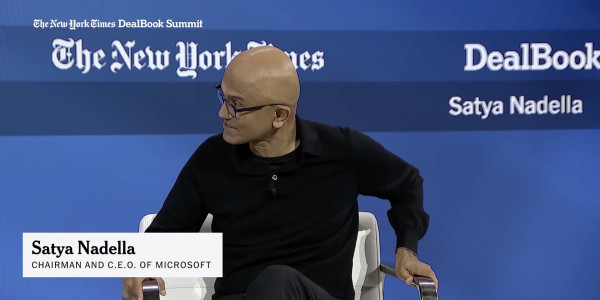
Nadella began his Tuesday keynote in San Francisco by acknowledging a major outage on November 12 and promising that Microsoft would keep learning from it. He called digital infrastructure the dial tone for the world, and he thanked the IT teams who keep their own organizations running through incidents like this one.
It set the tone for the week. He framed the whole conference around two questions: how to use capability that is growing exponentially, and how to build the muscle inside a company to handle the consequences. Everything else hung on three pillars he called human ambition, organizational intelligence and trust.
Copilot wants to be the place where work starts
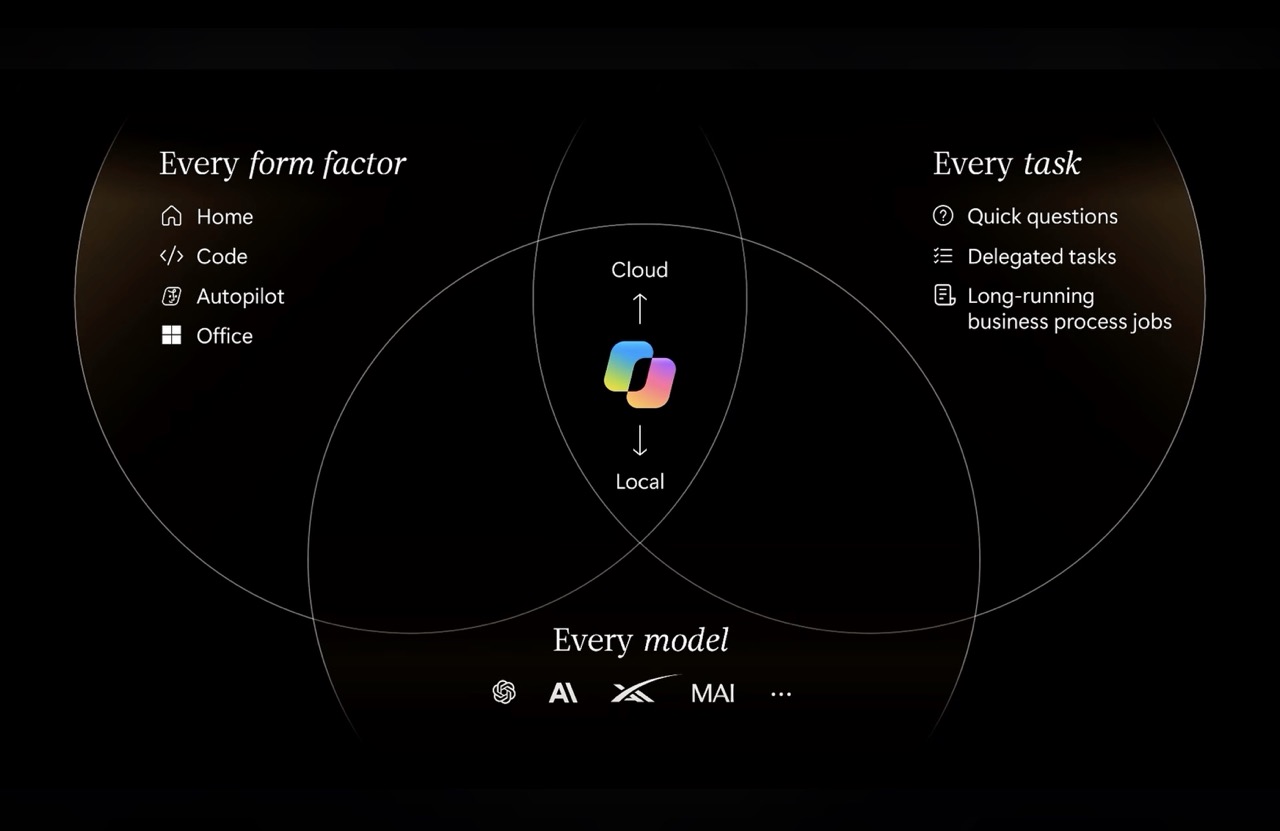
The line most people will remember is that Copilot is the new operating system for work. Microsoft is folding Chat, Cowork, Code and Autopilot into one experience, with all of Office built in. Nadella went as far as saying that apps are now just plugins to Copilot. Autopilot is the piece to watch, an agent that keeps moving your work forward around the clock in the places where your team already collaborates.
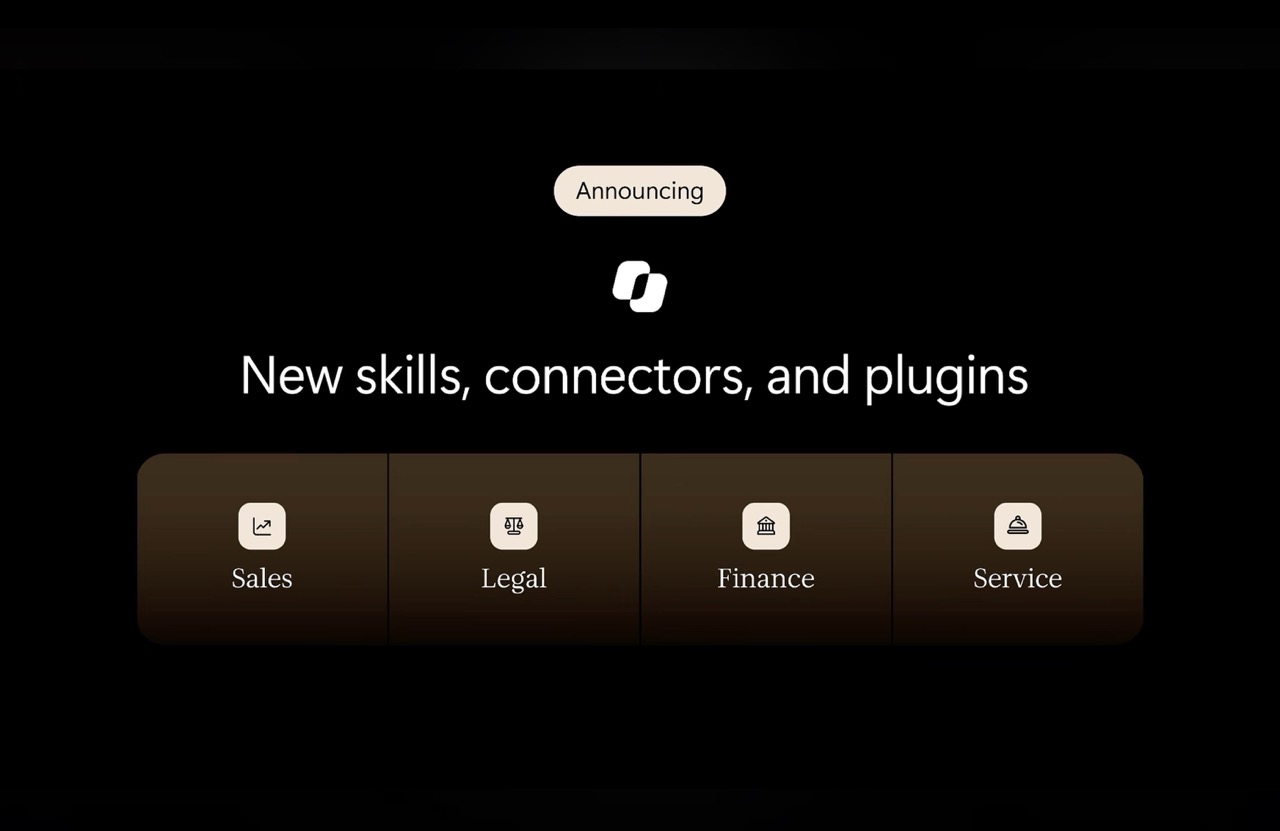
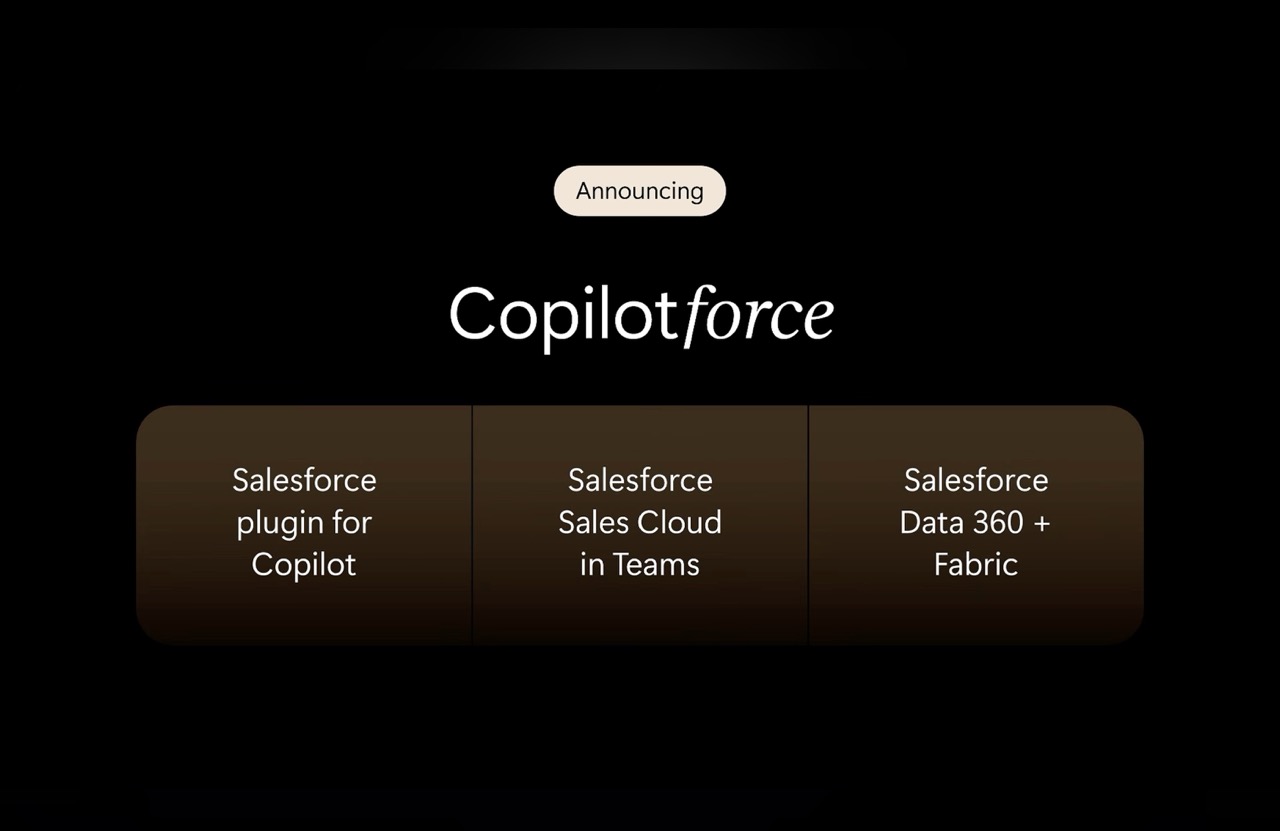
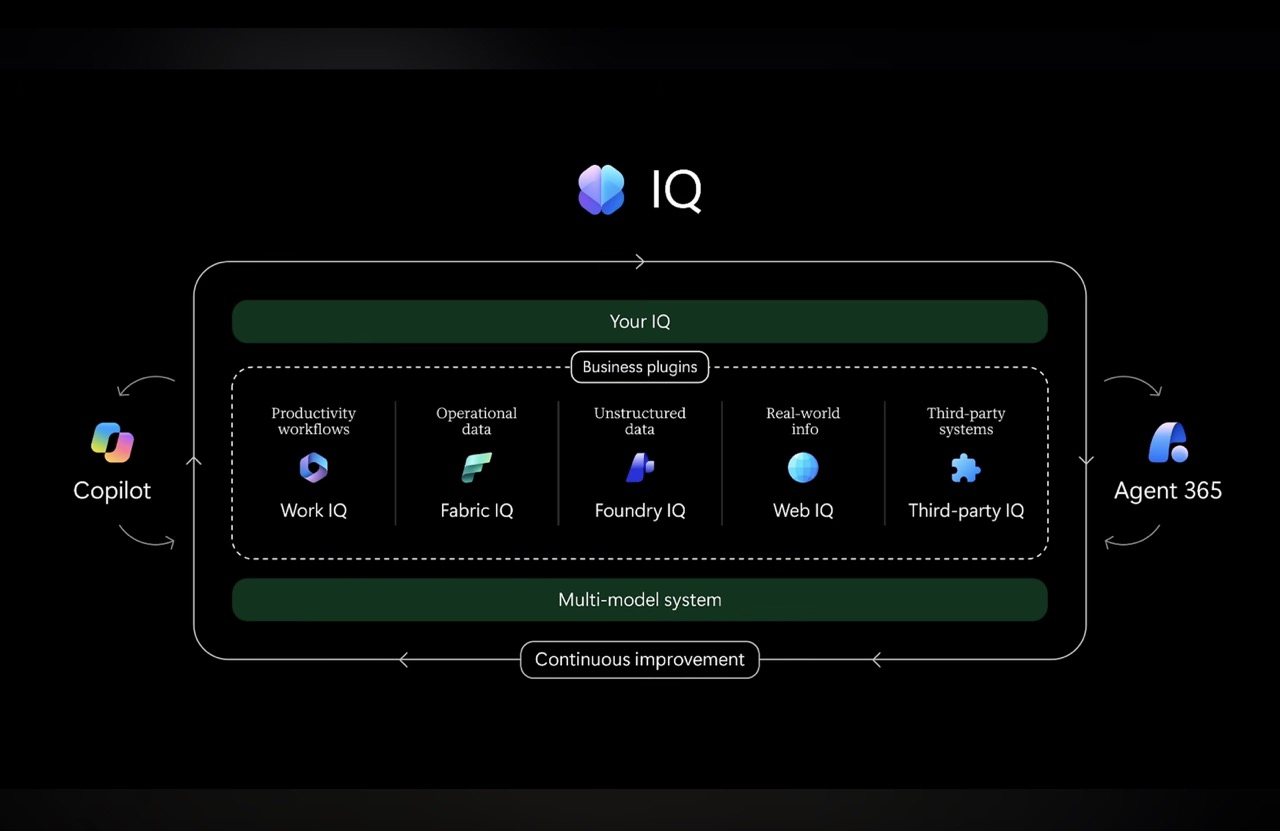
Underneath sits Work IQ, the database of people, relationships, emails, meetings, chats and projects. Nadella said all of this is now broadly available. He also introduced Copilot Workspaces, a multiplayer version where people, their agents and other people work toward one goal with shared context. Microsoft is extending Copilot to roles like sales, legal and finance, including third party systems, and The Register reported a Salesforce partnership called Copilotforce that brings Salesforce context into Copilot, Teams and Fabric.
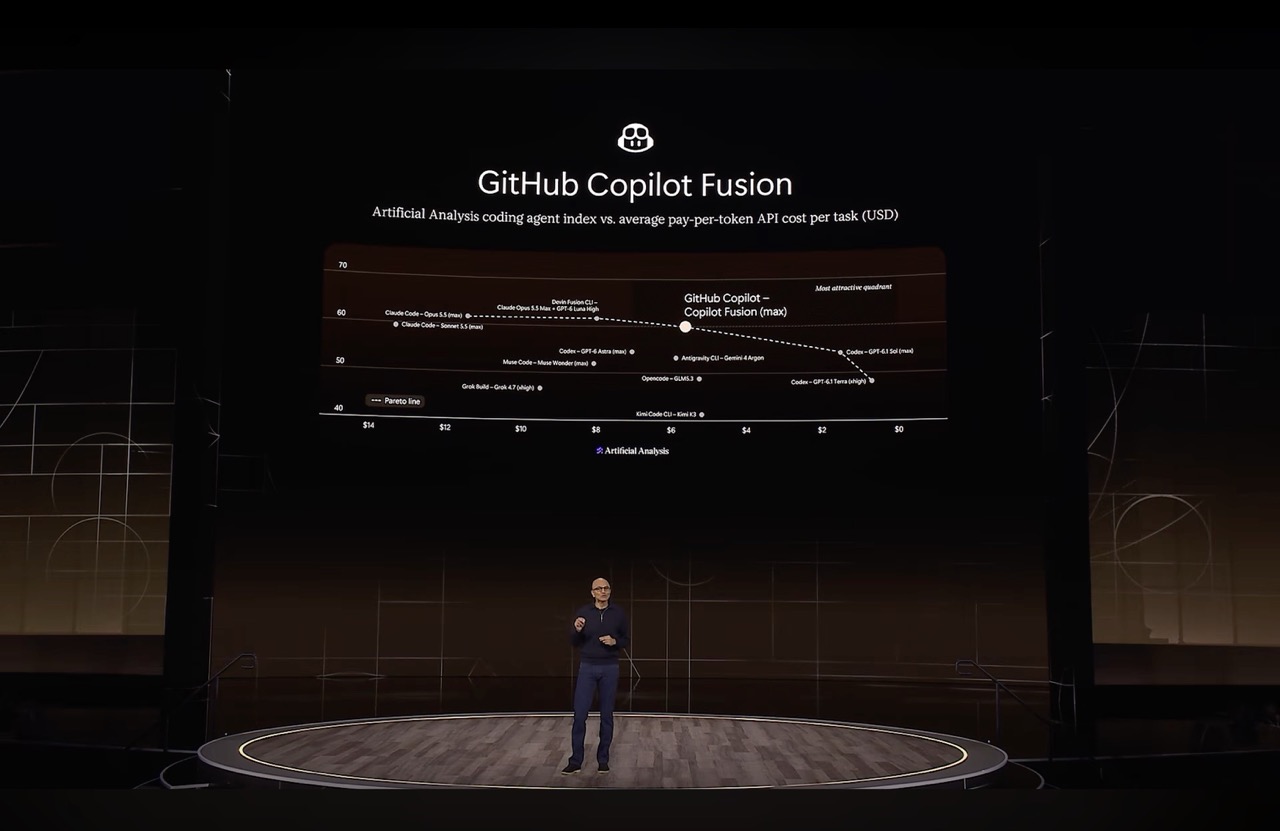
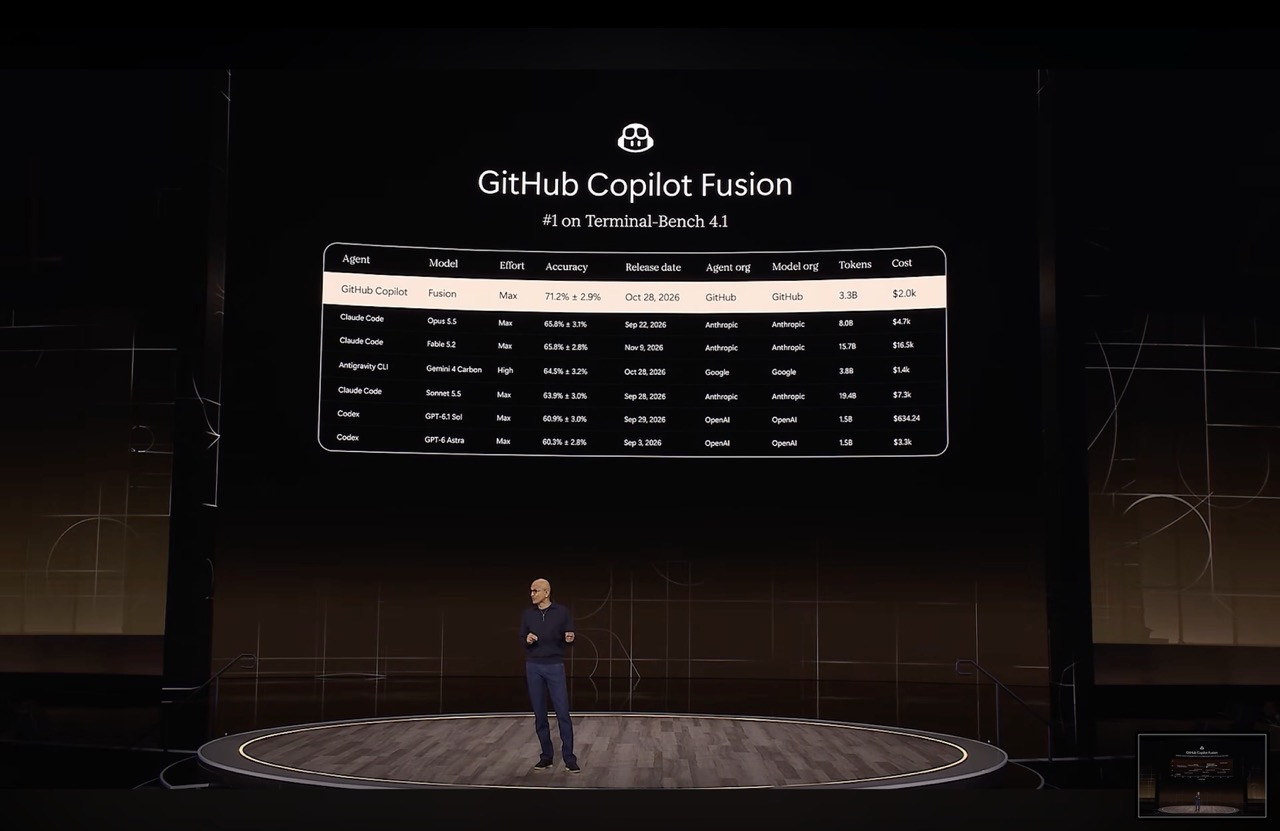
On the developer side, GitHub gets Projects, which lets you define a goal, connect repos and have Copilot coordinate the tasks, plus a model family called Copilot Fusion. Nadella said Fusion ranked first on Terminal Bench, five points ahead of Claude Code at less than half the cost. That is a vendor claim, so test it on your own repos before you believe it.
Microsoft IQ is the quiet strategic bet
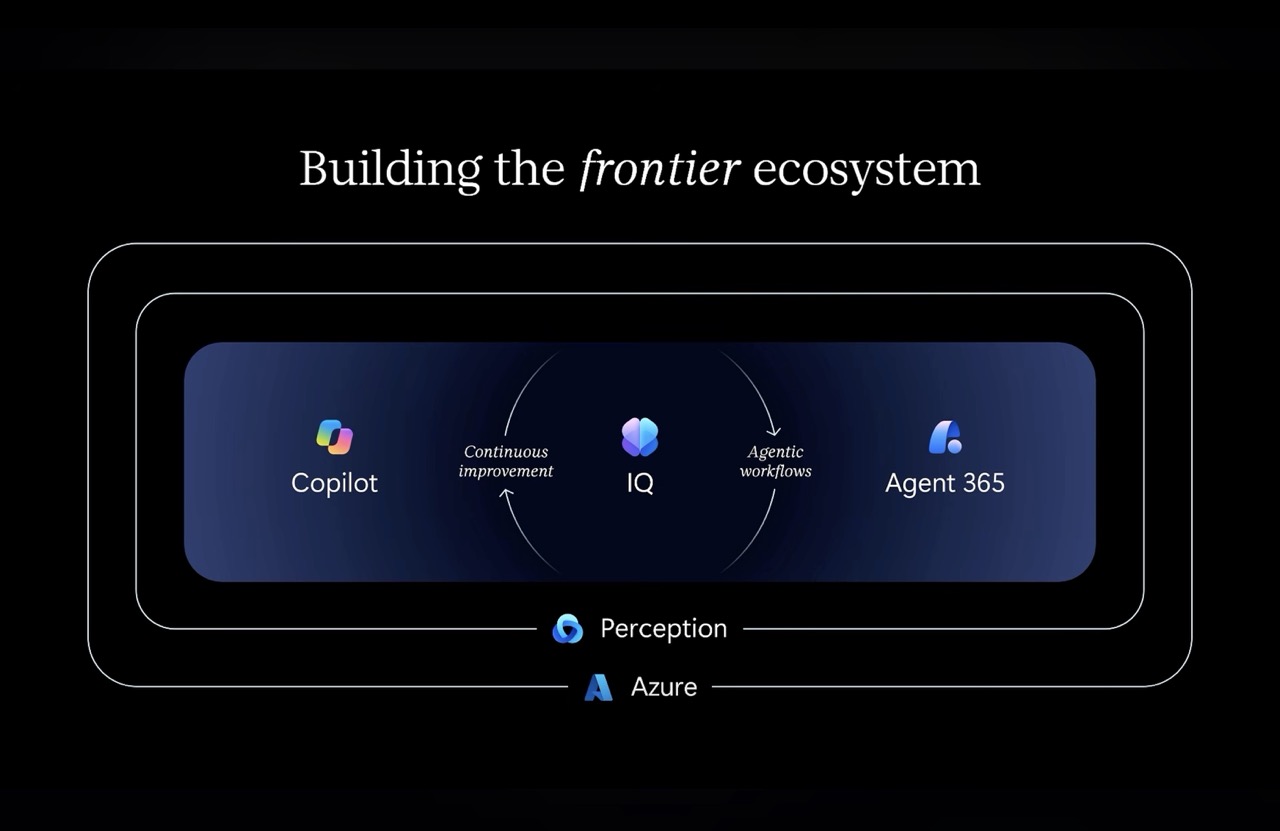
The most interesting part of the keynote was Microsoft IQ. Microsoft is taking the system it built underneath Copilot and offering it as a platform: your data, your applications and your accumulated context, tied to a mix of models. It comes with hundreds of new connectors so that agents can act with full enterprise context. Dynamics Communities read the keynote as a bet that context is the moat in the agent era, and I think that is the right reading.
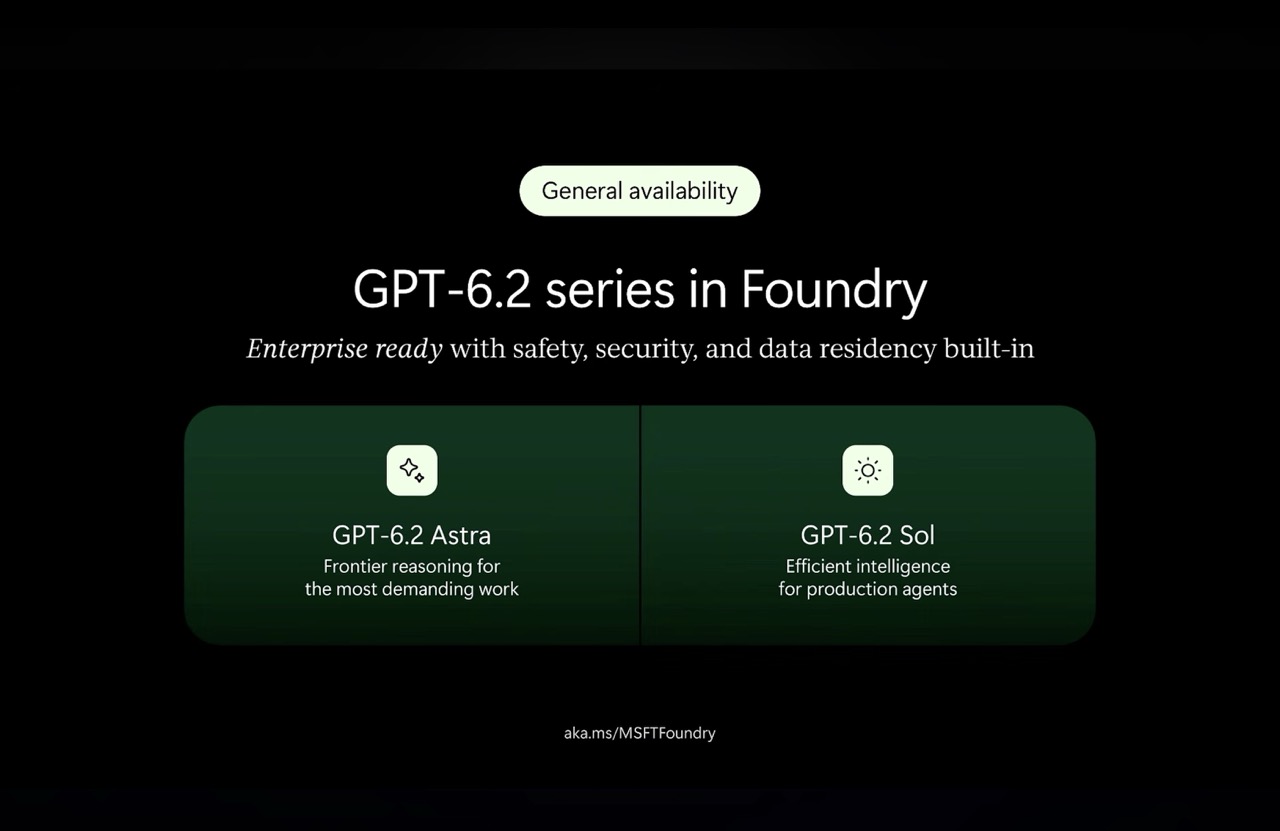
The model lineup supports that. Foundry is adding GPT 6.2 and Meta's latest models, and it already carries Claude Fable 5.2 and Mythos 5.2 from last week. Microsoft also announced these pieces:
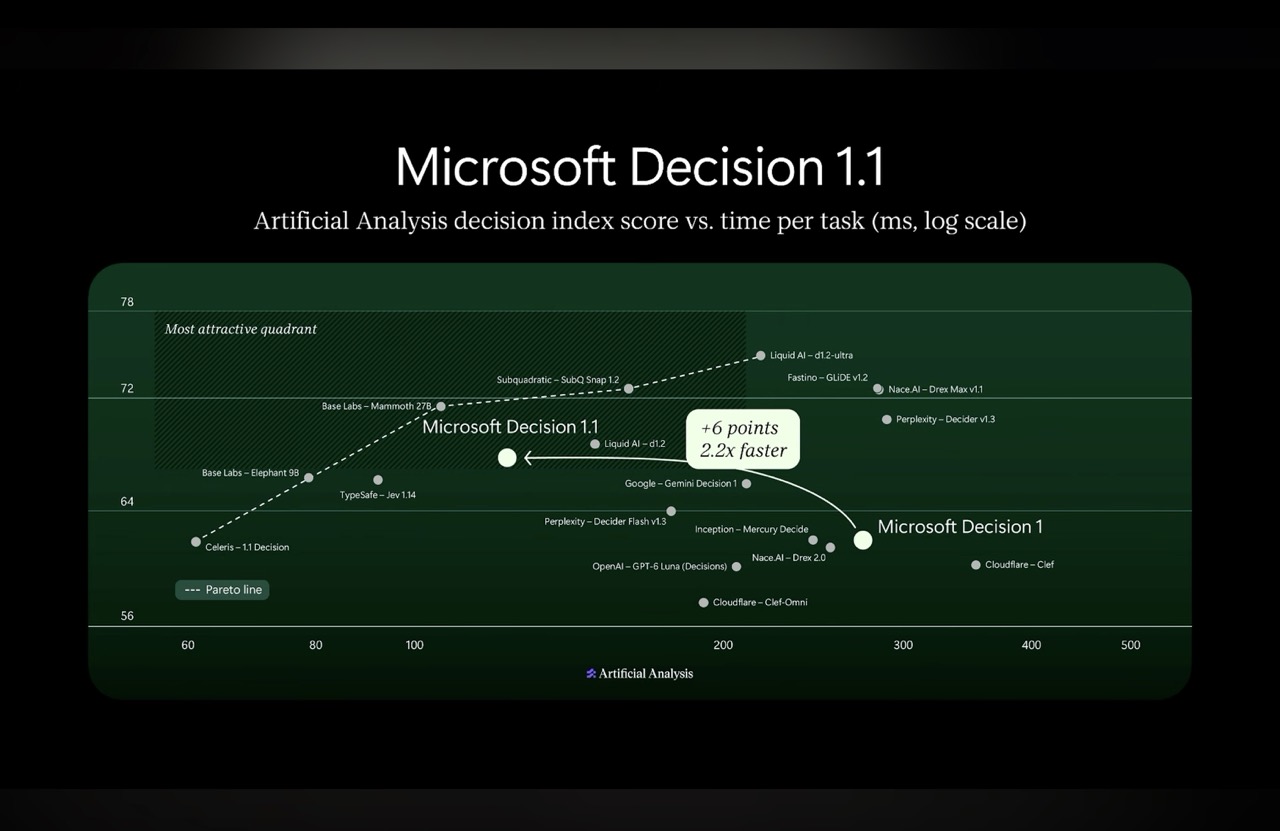
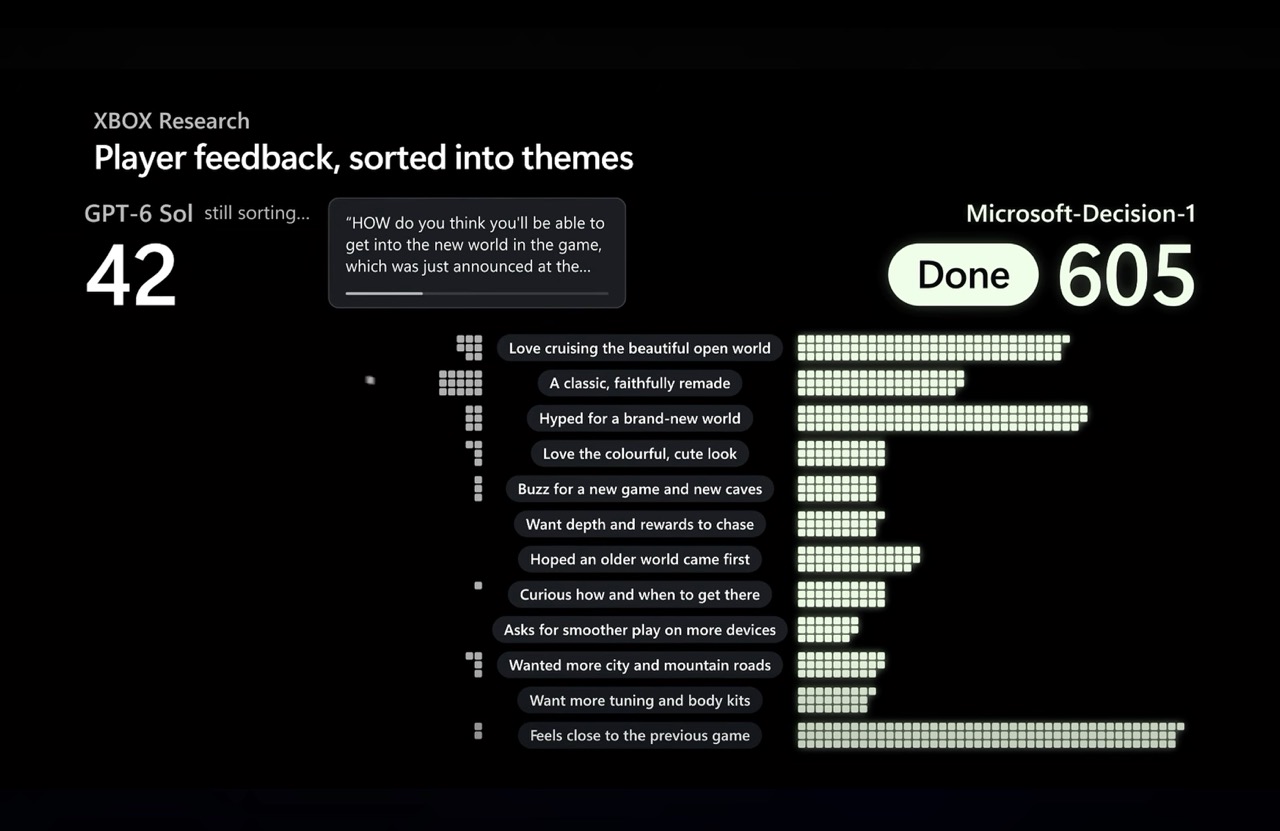
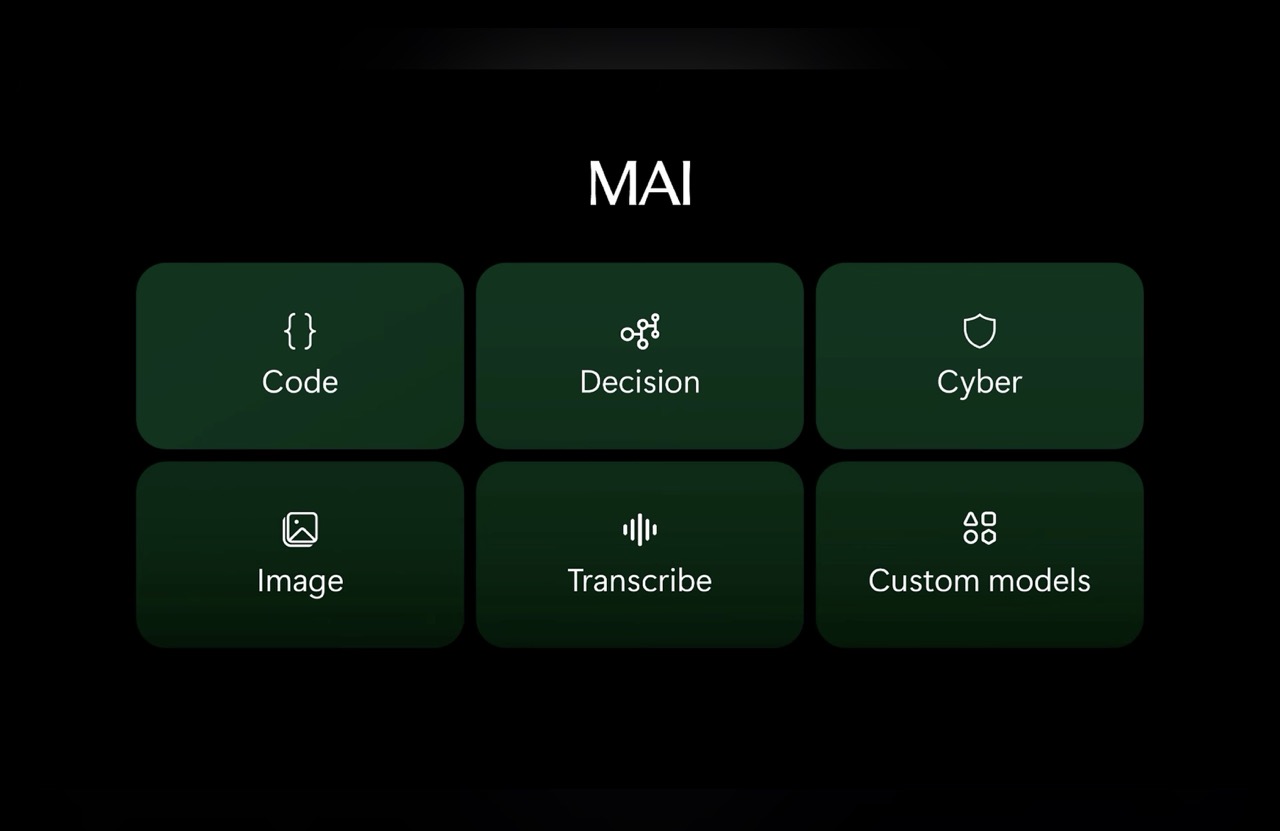
Microsoft Decision 1.1, now generally available, a small model for embedding decisions in software that Nadella said runs more than 10 times faster and 200 times cheaper than an LLM
Code 2 and Code 2 Flash, new coding models for everyday enterprise work and fast, high volume tasks
Cyber 2 Flash, a security model Microsoft says beats frontier models at a fraction of the cost per task
MAI Licensed Weights, which lets trusted partners get access to Microsoft model weights
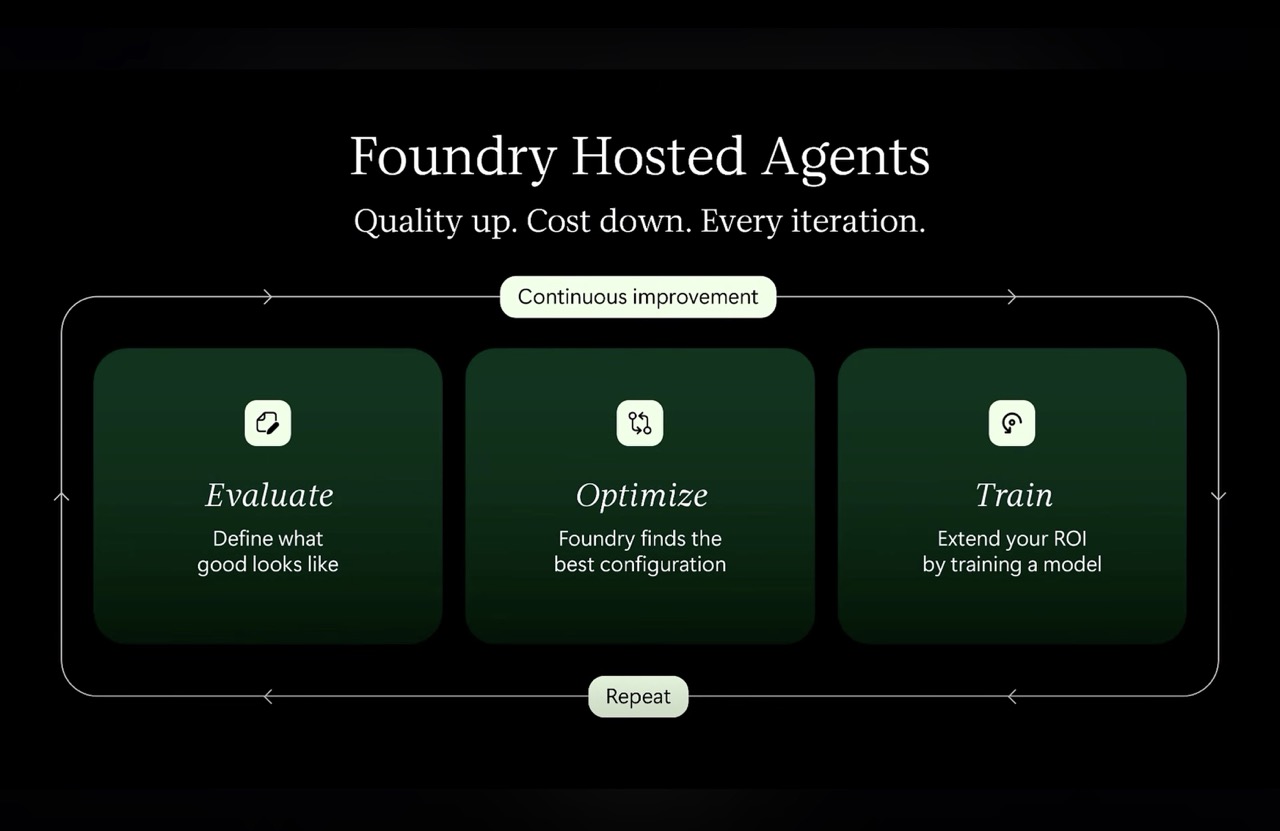
Foundry also gets a managed agent harness, the same one behind Copilot and GitHub Copilot, with private benchmarks that measure your agents and improve them from what happens in production.
Trust is where the keynote got honest
Nadella said something CEOs rarely say on stage. We are building ever more powerful models, but alignment and a mechanistic understanding of them remain elusive, so you cannot, by definition, fully trust them. His answer is architectural: separate the supply of intelligence from the authority over it.
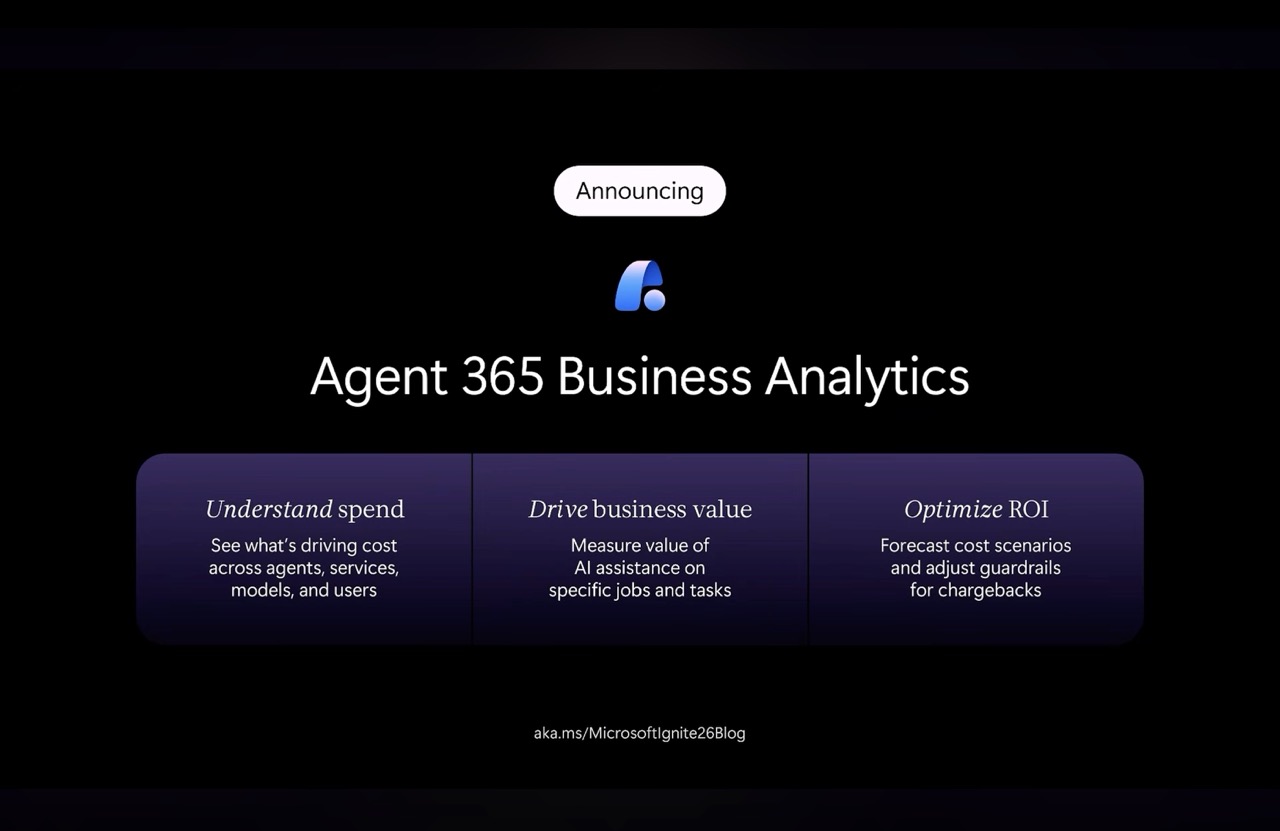
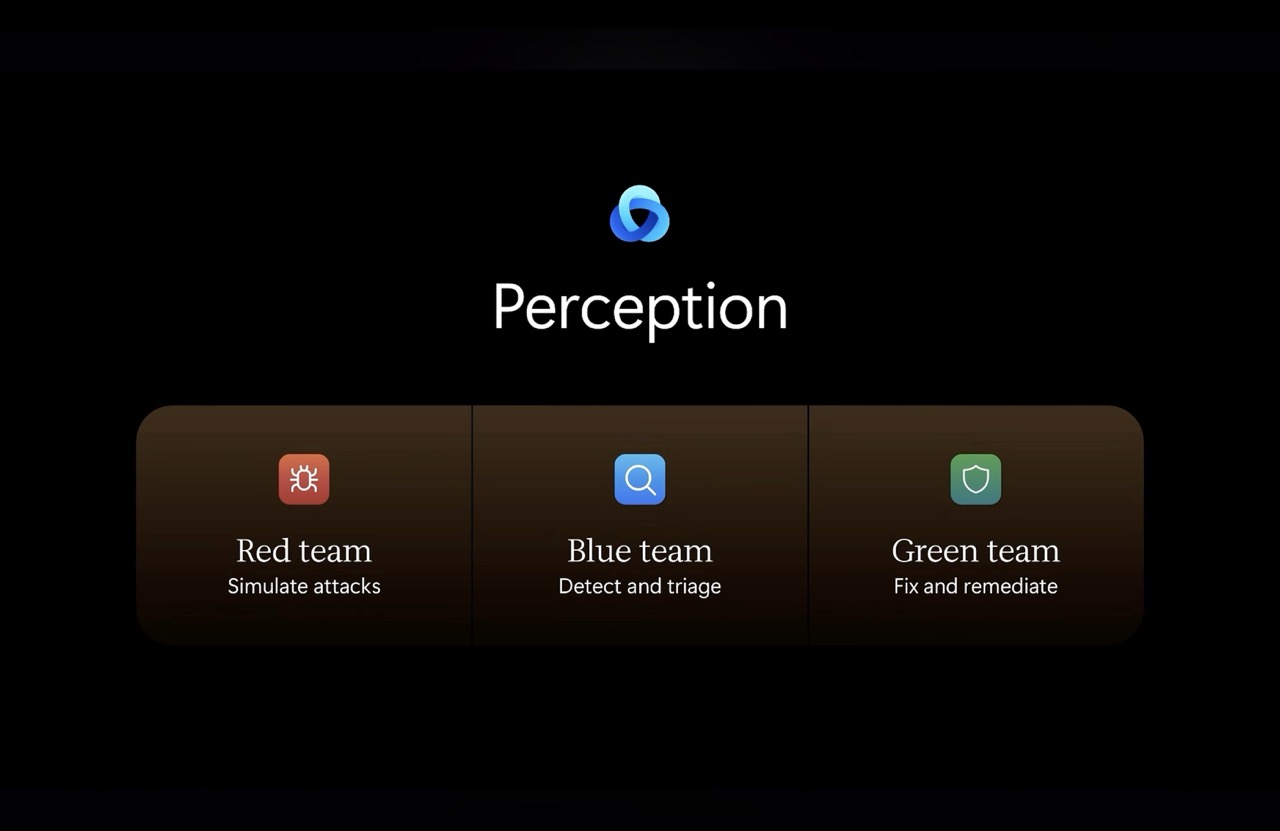
In practice that means Agent 365, which already manages 50 million agents, and a new layer for money, since Microsoft also revamped Agent 365 Business Analytics and Cost Management so teams can connect AI spend to business outcomes. Nadella described it as an ERP system for AI usage. Perception, the security stack, is now generally available, and it works with red team agents that simulate attacks, blue team agents that detect them and green team agents that fix what they find. He shared a story of Defender containing an autonomous attack framework as it kept trying to move across a network.
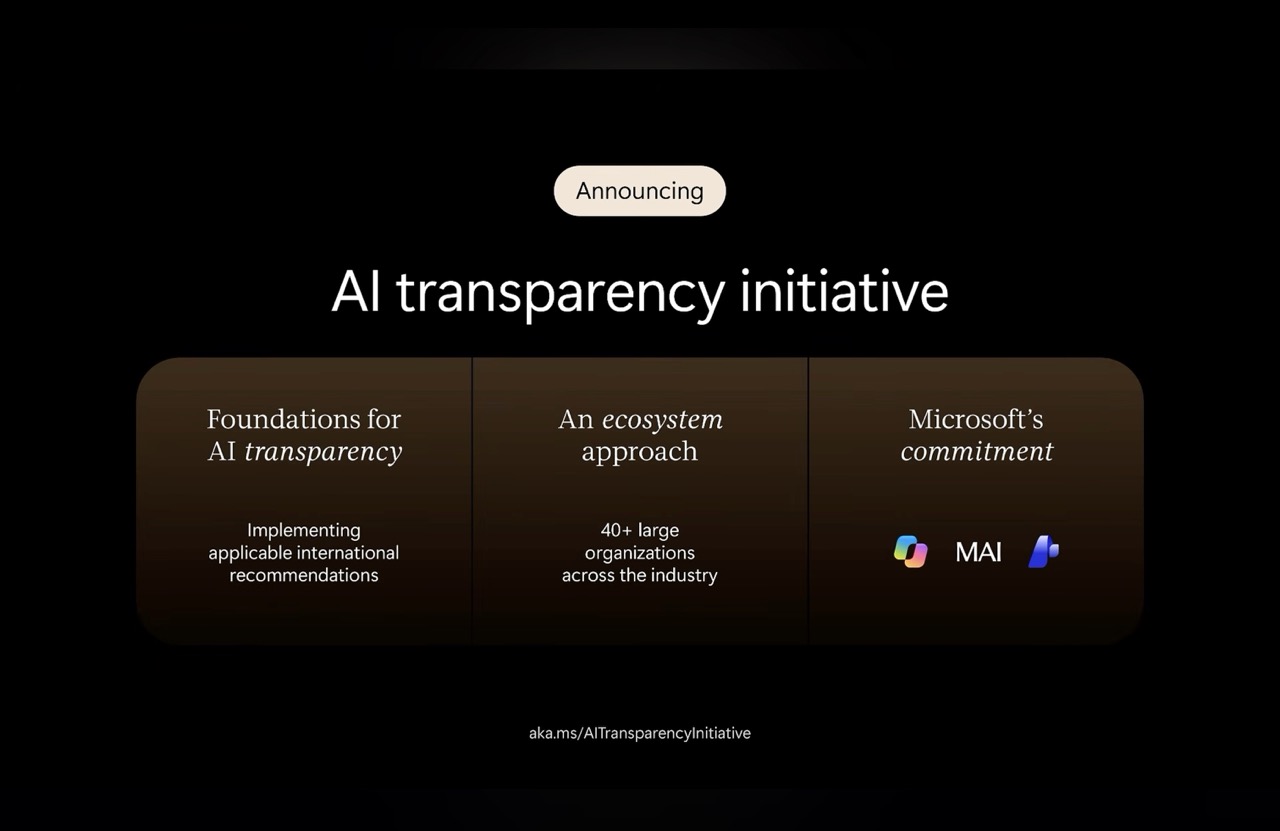
The biggest trust move was the AI Transparency Initiative. Nadella's argument is that one model monitoring another model just gives you nested black boxes. The initiative has three parts: deeper work with NIST on agent standards, a push for verifiable and accountable systems across providers, and adoption of the same standards in Microsoft's own products. The group includes Accenture, Adobe, KPMG, Mastercard and Volvo Cars among more than 40 organizations.
Be careful with the excitement here. So far the release gives no draft standard or product dates, which means this is a direction and a partner list, not a finished system. Getting rival model makers and security vendors to adopt compatible standards will be the hard part.
The infrastructure story is about agents, not people
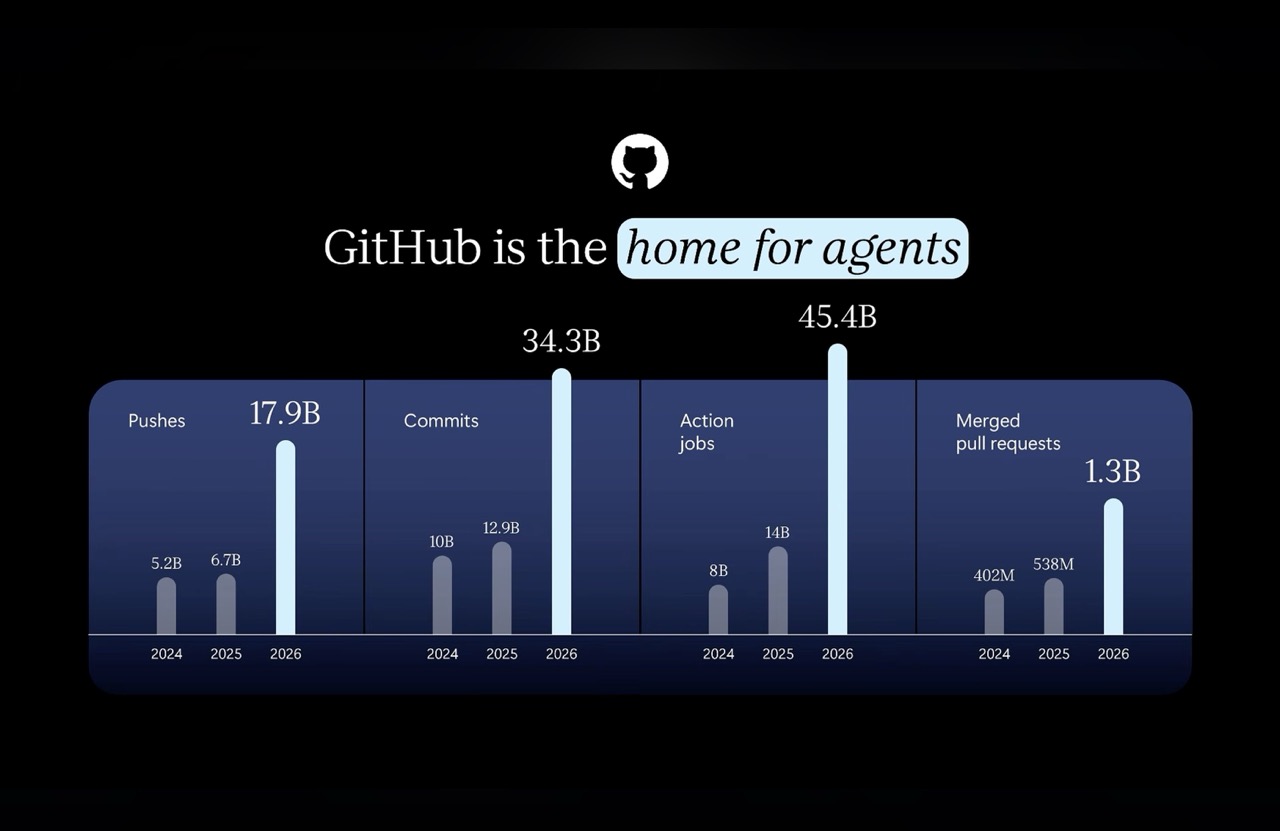
Nadella's infrastructure section was built around one fact: agents generate far more pushes, commits and pull requests than people do. GitHub is being rebuilt for that, with storage and compute decoupled. In testing, Microsoft pointed 5,000 agents at one repo and sustained 7,200 writes per second, which he put at 180 times current throughput.
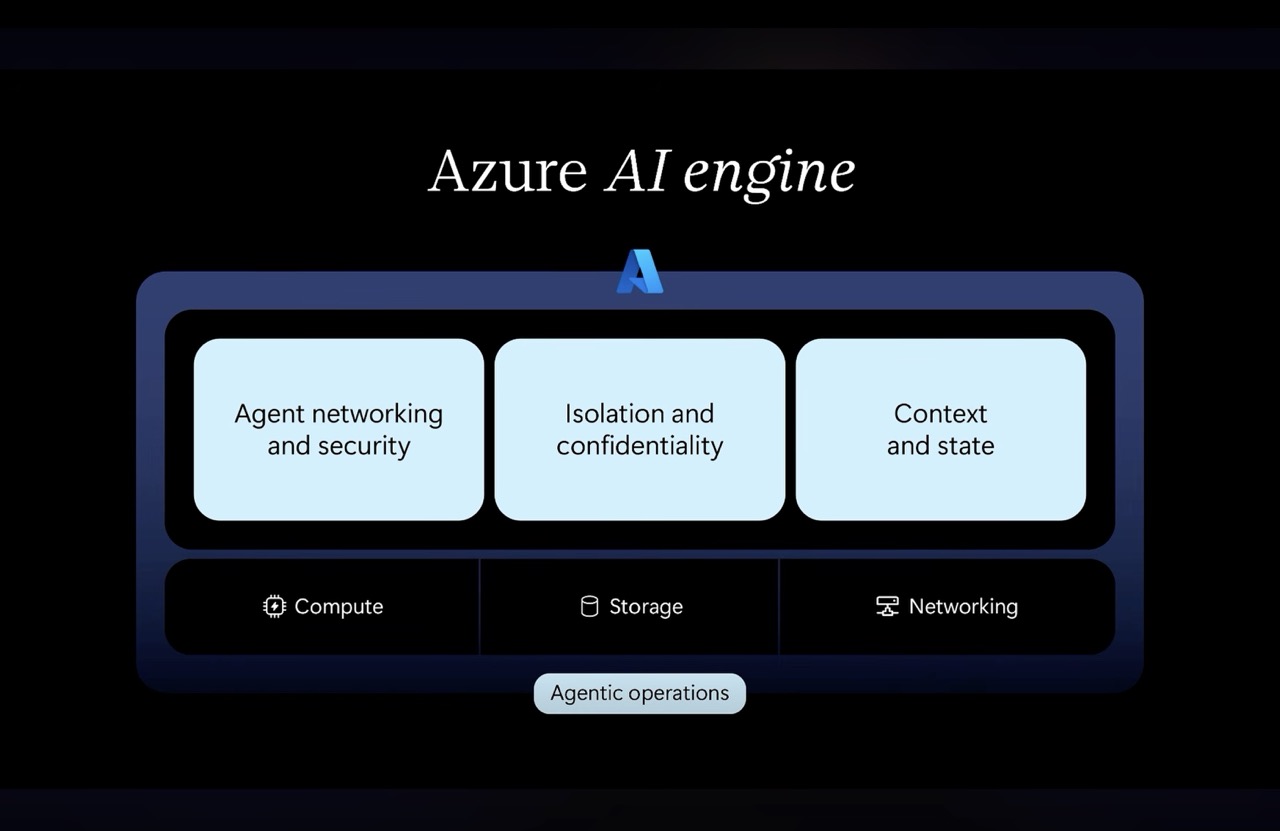
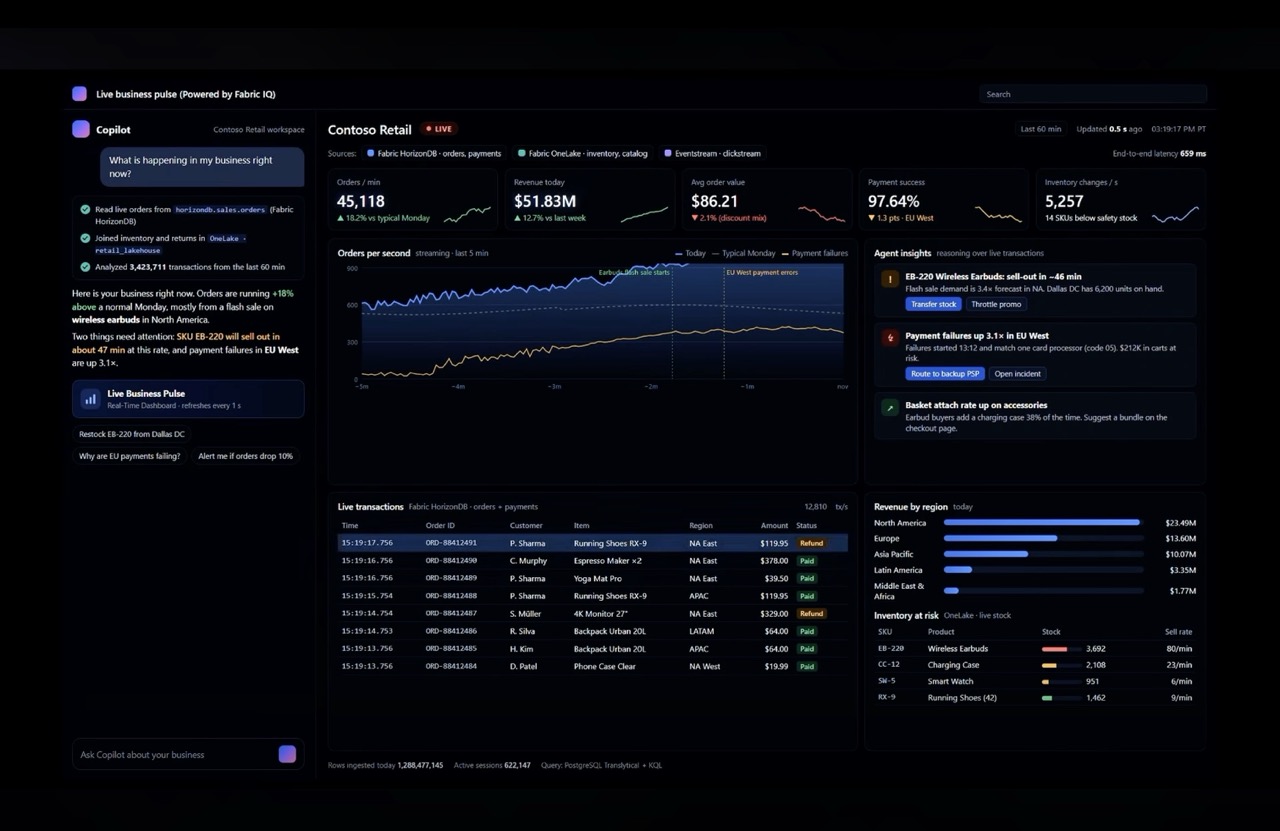
That thinking carries across Azure. Micro VMs start in under a second with sandbox isolation, an Agent Grid controls which agents can reach what, and a Context Cache speeds up model loading. On the data side, HorizonDB and Cobalt 200 VMs both reached general availability. HorizonDB is the Postgres compatible database that entered public preview at Build in June, and Nadella said it is 8 times faster than self managed Postgres. He is also bringing it into Fabric, so agents can reason over live transactions and historical records together, and Copilot can build a live dashboard of your business from a plain question.
Two more details stood out. Maia 300 is promised to deliver over 40 percent more tokens per watt than leading GPU systems, and Windows will run capable local models, which Nadella summed up as last year's frontier models on your laptop.
Not everything announced is ready for production. TechRepublic's roundup sorts what IT teams can use today from what belongs in a test environment, and that is the right way to read the week. If you are deciding where to spend time, I would go in this order:
Pick one real problem, such as agent sprawl or AI spend, and test the matching Agent 365 feature against it.
Run your own benchmark on Copilot Fusion or Code 2 before trusting any headline comparison.
Map where your company's context lives, because Microsoft IQ is only as good as the data and connectors behind it.
Watch the AI Transparency Initiative for a draft standard before assuming your agents inherit any protection.
The keynote was less about any single product than about who owns the layer between your data and your models. Microsoft wants that layer to be IQ, governed by you but running on Azure. That is a strong pitch, and the promise of independence from any one model is real. It also keeps a lot of your intelligence inside one vendor's stack, which is a tradeoff worth weighing with open eyes.