geeky NEWS: Navigating the New Age of Cutting-Edge Technology in AI, Robotics, Space, and the latest tech Gadgets
As a passionate tech blogger and vlogger, I specialize in four exciting areas: AI, robotics, space, and the latest gadgets. Drawing on my extensive experience working at tech giants like Google and Qualcomm, I bring a unique perspective to my coverage. My portfolio combines critical analysis and infectious enthusiasm to keep tech enthusiasts informed and excited about the future of technology innovation.
Nvidia After Jensen Huang: Who Runs the Company Behind the AI Boom?
AI Summary
Just weeks after Jensen Huang spent four days across Europe selling the world on a future built on Nvidia chips, he resigned as CEO of the company he founded 33 years ago. This post walks through what he said on that trip, how the scandal around a suspected Chinese spy unfolded, and what it shows about an AI industry that leans hard on one company and one man.
November 13 2026 01:59
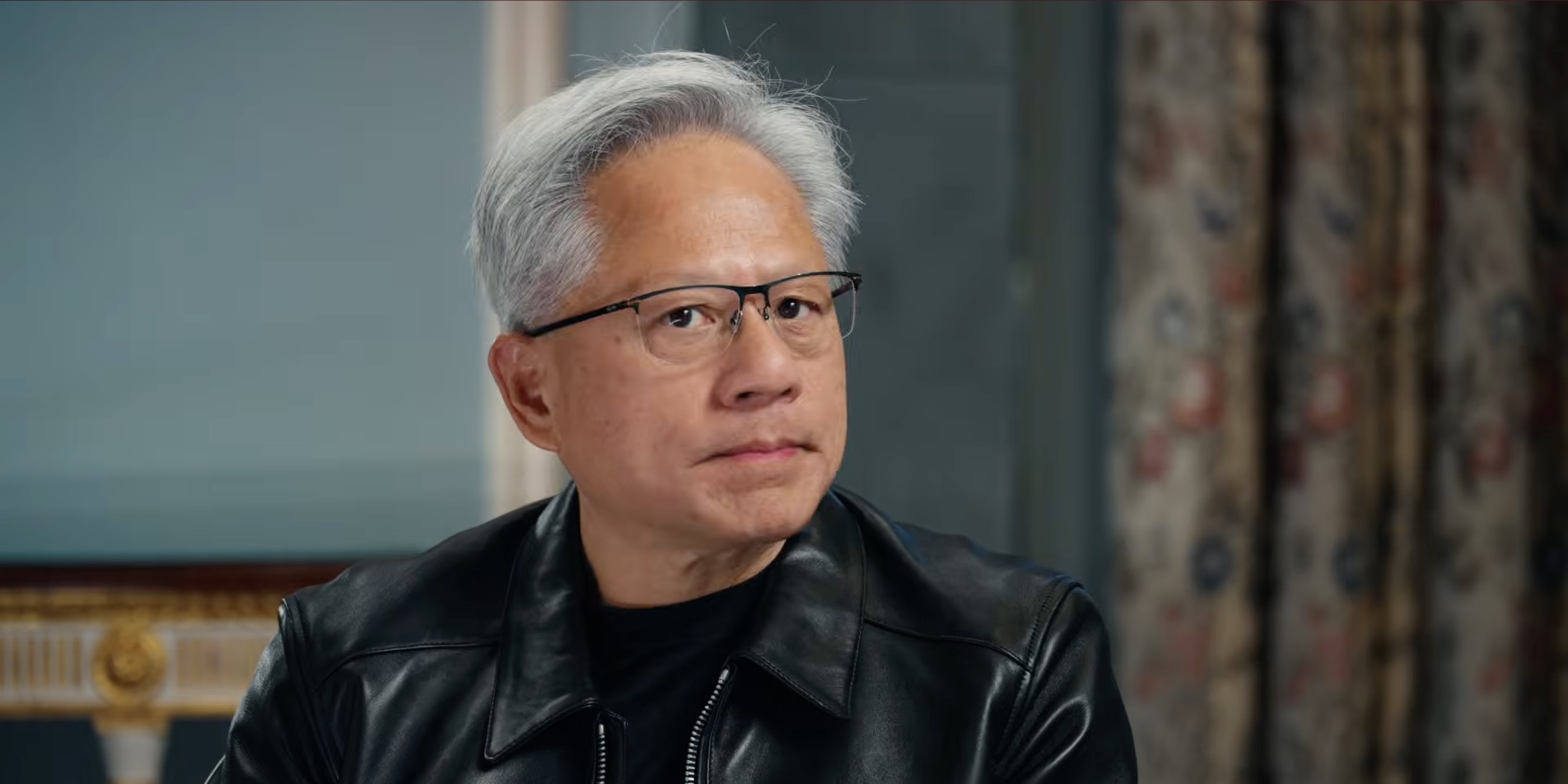
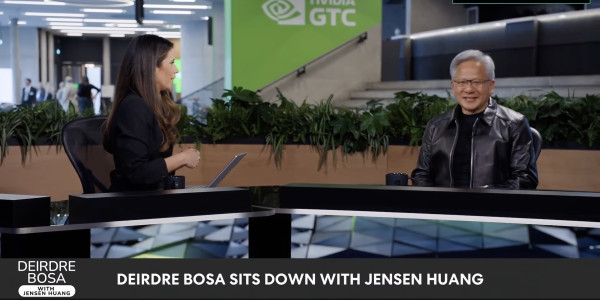
In October, Bloomberg's The Circuit, hosted by Emily Chang, followed Huang through Paris, London, Stockholm and Berlin in four days. It looked like a victory lap. Fans mobbed him in Paris, a scene the crew nicknamed Jensanity, and he told audiences that Nvidia had invested $8 billion in European startups in the past year, with another $2 billion on the way.
His pitch was sovereign AI, the idea that every country should build and control its own AI. When Chang asked whether that still counts as sovereign if it runs on American chips, he said yes, because sovereignty means controlling your own data and your own destiny. The obvious side effect is that more sovereign AI projects mean more demand for Nvidia hardware. He also described AI as a five layer cake, from energy at the bottom to apps on top, and Nvidia now invests at every layer.
The interviews were not all soft. Chang pressed him on circular financing, on CoreWeave's debt load and on a run of losses in chip stocks. Huang said Nvidia never owns more than 20% of the companies it backs, that it had put close to $100 billion into the ecosystem over five years, and that customers do not depend on Nvidia, they choose it.
How the scandal unfolded in two weeks
The first public sign came on Oct. 29, when Huang was reported to have a close relationship with Alice Huang, an executive at Megaspeed International. The two are not related. Reports say the pair had been seen together in Taiwan as early as 2024.
On Nov. 8, Huang apologized in a message to employees for the affair, and Nvidia's board opened an independent investigation. A shareholder then filed a class action lawsuit alleging that he concealed the relationship and misled investors about the national security concerns around it. In his memo he said he owed his family and his colleagues an apology, and that the situation had grown into something bigger than an infidelity story.
Then came reports of a second relationship, this one with an Nvidia executive who reported to him, along with word that the board was weighing his removal. The board met late on Wednesday, Nov. 11, and on Thursday Nvidia said Huang had resigned, with CFO Colette Kress stepping in as interim CEO and venture investor Harvey Jones named the company's first board chair. The FBI, Congress and Nvidia itself were all looking into the matter by then.
Who Alice Huang is and why Megaspeed matters
Megaspeed is a Singapore based cloud company that runs data centers across Southeast Asia. U.S. officials suspect Alice Huang of working for Chinese intelligence, and investigators say she used industry contacts and shell companies to gain access to chips banned for export to China. Her exact role and her ties to China's spy service remain unclear, and China has called the allegations a smear.
The chip trade is the part that makes this more than a personal scandal. Megaspeed reportedly bought more than $4.8 billion of Nvidia chips over two years, according to New York Times reporting, and nearly $2 billion of that is said to sit in Malaysian and Indonesian data centers that serve Chinese customers remotely. Huang had told Bloomberg that his interactions with Alice Huang were completely normal, a line that did not last long.
Megaspeed denies illegally sending chips to China, and after Huang resigned it said it will cooperate with the U.S. investigation. Singapore officials said Alice Huang has been barred from coming back into the country. Nvidia's board has said it has no reason to believe national security or company secrets were compromised.
What Huang said in Europe that reads differently now
None of the interview proves anything about his judgment, but several lines land differently after the resignation. On China, he argued that Washington had made a mistake by blocking Nvidia from that market, and that China is a competitor, not an enemy. On the risks of powerful AI agents, he said they should be contained, monitored all the time and treated with zero trust.
The line that stands out most is about succession. Asked who might take over, he said he hoped the next CEO was already at Nvidia, and that just as he could be fired, the next CEO had to be hired. He framed it as healthy pressure. Weeks later the board did exactly that, with far less warning than anyone expected.
A company built around one person
Huang had concentrated decision making in his hands, with a flat structure that helped Nvidia move fast but left little visible bench behind him. A Georgetown professor who studies succession told Fortune that the board had made a mistake by not having a clear plan telegraphed to the market. Analysts said Nvidia had no obvious successor and that Kress, a finance executive, was a stabilizing choice rather than a visionary one.
Nvidia's own announcement says the board will search for a permanent CEO and consider internal and external candidates, and that operations, customer commitments and the product roadmap should continue without interruption. Outside names floated by analysts include internal executive Ian Buck and Arm CEO Rene Haas, according to Newsweek. President Trump weighed in too, writing that Apple's Tim Cook should take the job, as Variety noted, while the stock had already slid to eight month lows over the national security worries.
What to watch next
The story is far from finished. These are the threads most likely to matter over the coming weeks:
Nvidia reports third quarter results on Tuesday, Nov. 17, the first big test with Kress leading the company.
The investigations, including the FBI, the Justice Department's work on Megaspeed and the outside review the board hired Wachtell, Lipton, Rosen & Katz to run.
The permanent CEO search and whether the board picks an insider or a name from outside.
The shareholder class action and any new findings about how Nvidia chips reached Megaspeed.
Nvidia sits under much of the AI industry, and for three decades its direction came from one person. That worked well while the news was good. The Europe trip showed how much of the AI buildout, from data centers to startups to government plans, was tied to his personal credibility and his relationships.
The lesson is less about the affair and more about concentration. When a single company supplies the chips and a single executive shapes its strategy, a personal crisis becomes an industry event. Several details are still unconfirmed, so the facts are worth watching closely, but the structural question is already clear: how much of the AI boom should hinge on one person.