geeky NEWS: Navigating the New Age of Cutting-Edge Technology in AI, Robotics, Space, and the latest tech Gadgets
As a passionate tech blogger and vlogger, I specialize in four exciting areas: AI, robotics, space, and the latest gadgets. Drawing on my extensive experience working at tech giants like Google and Qualcomm, I bring a unique perspective to my coverage. My portfolio combines critical analysis and infectious enthusiasm to keep tech enthusiasts informed and excited about the future of technology innovation.
Elon Musk at TomorrowX: Starship, Grok, Optimus and the Case for Building It All Yourself
November 25 2026 02:48
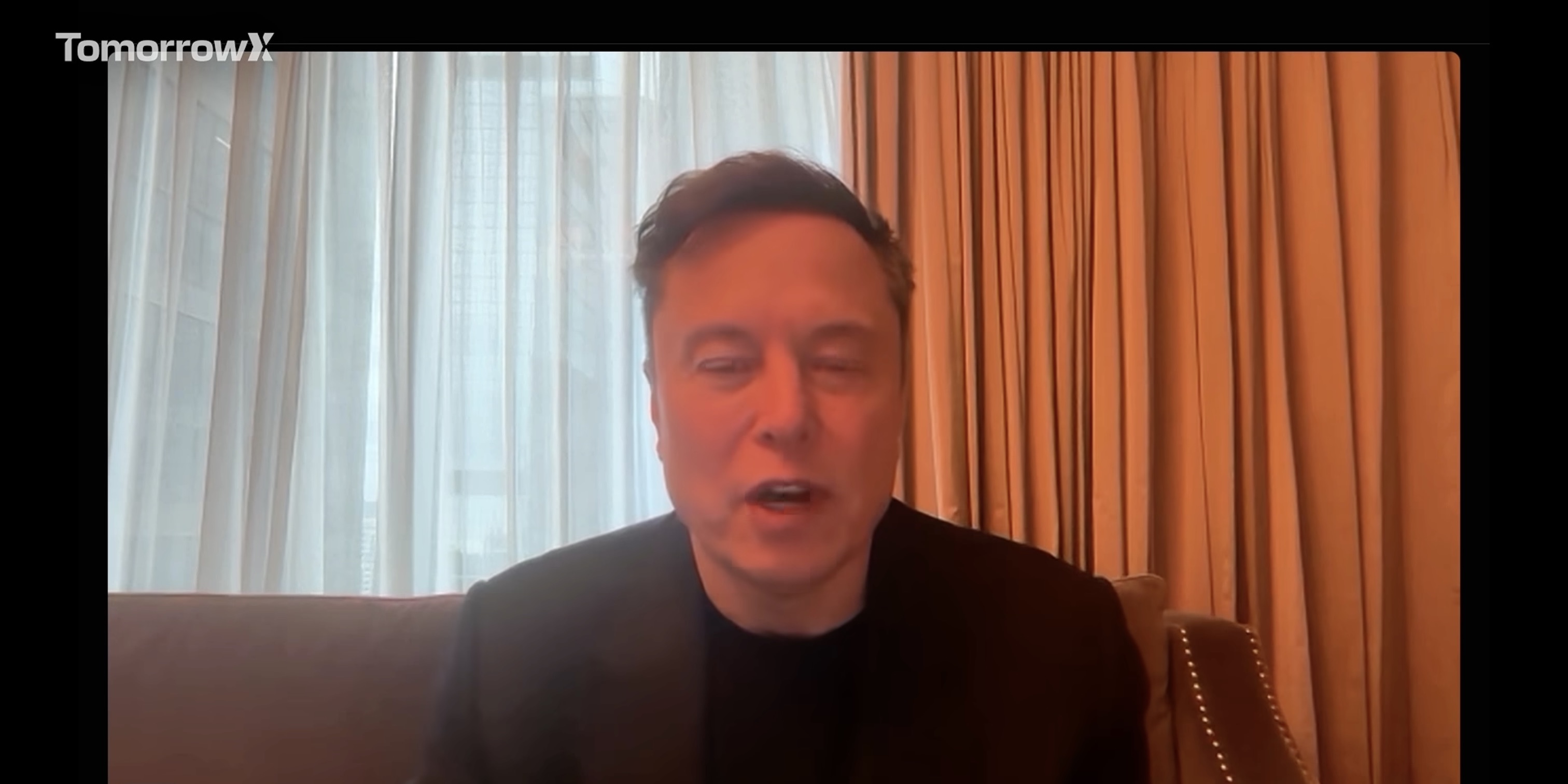
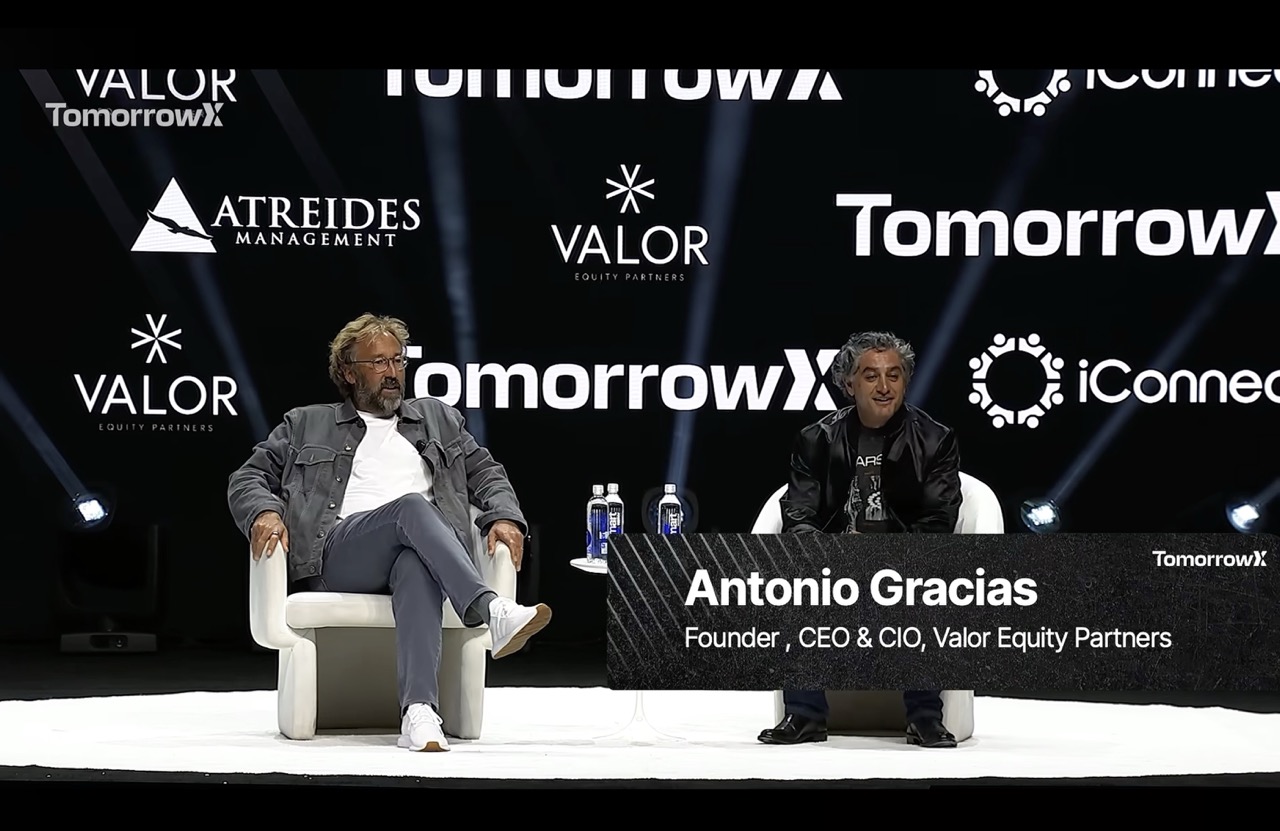
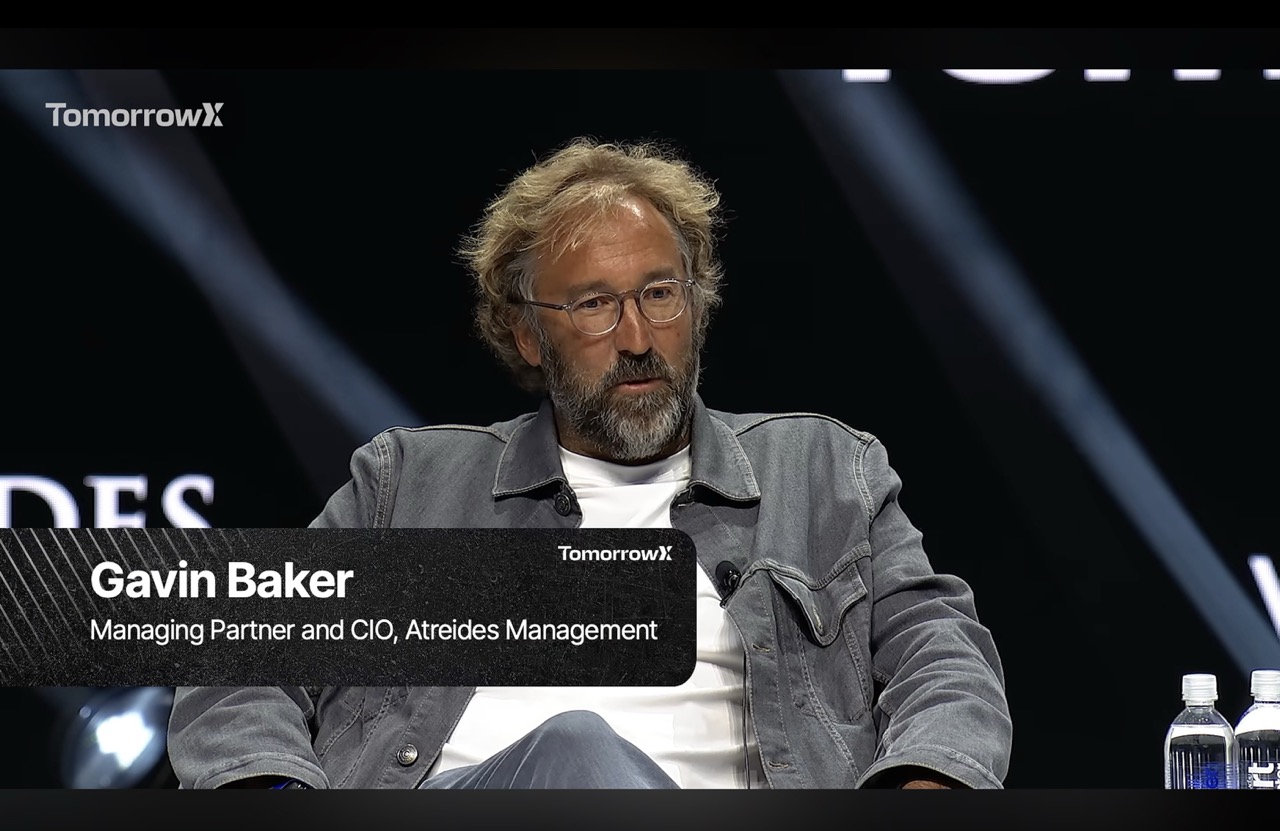
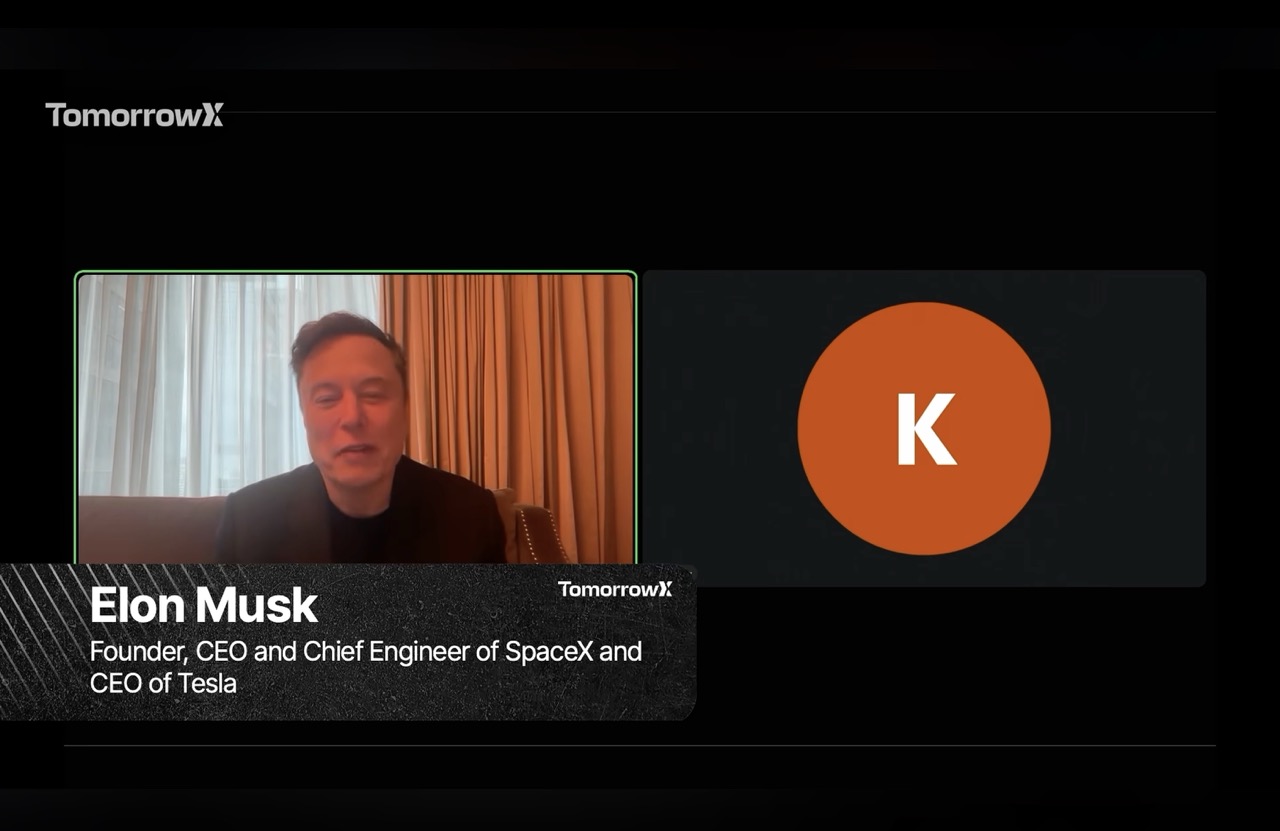
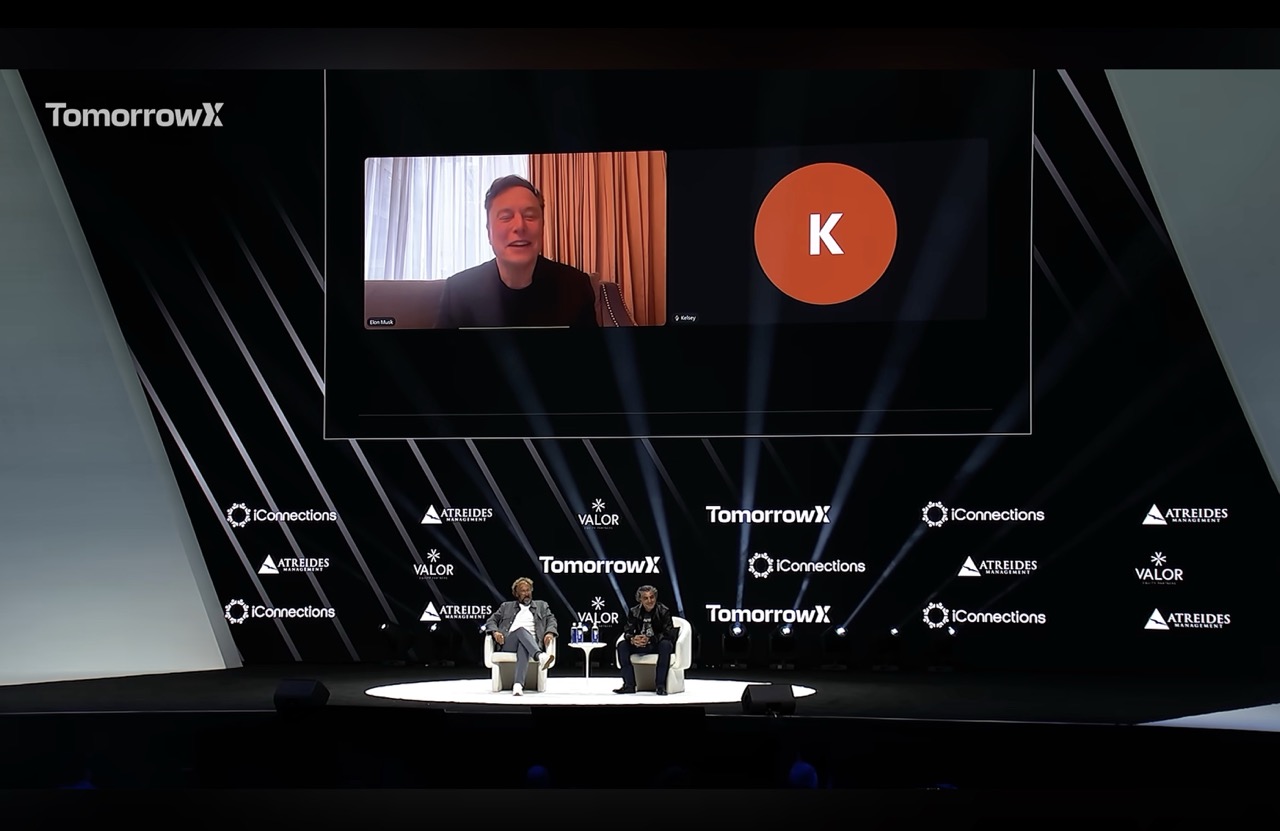
The summit ran two days at the Moody Center, co-hosted by Gracias and Baker. Musk opened by telling the audience that the two hosts are among his best friends, so this was a best friend buddy talk. He was in Shenzhen, had stopped by Tesla's Shanghai factory to thank the team, and spoke warmly of China. He said he hopes for good trade relations between China and the United States, and he predicted some geopolitical bumps in the coming years over a certain country he described only by its first letter.
Why catching the ship matters
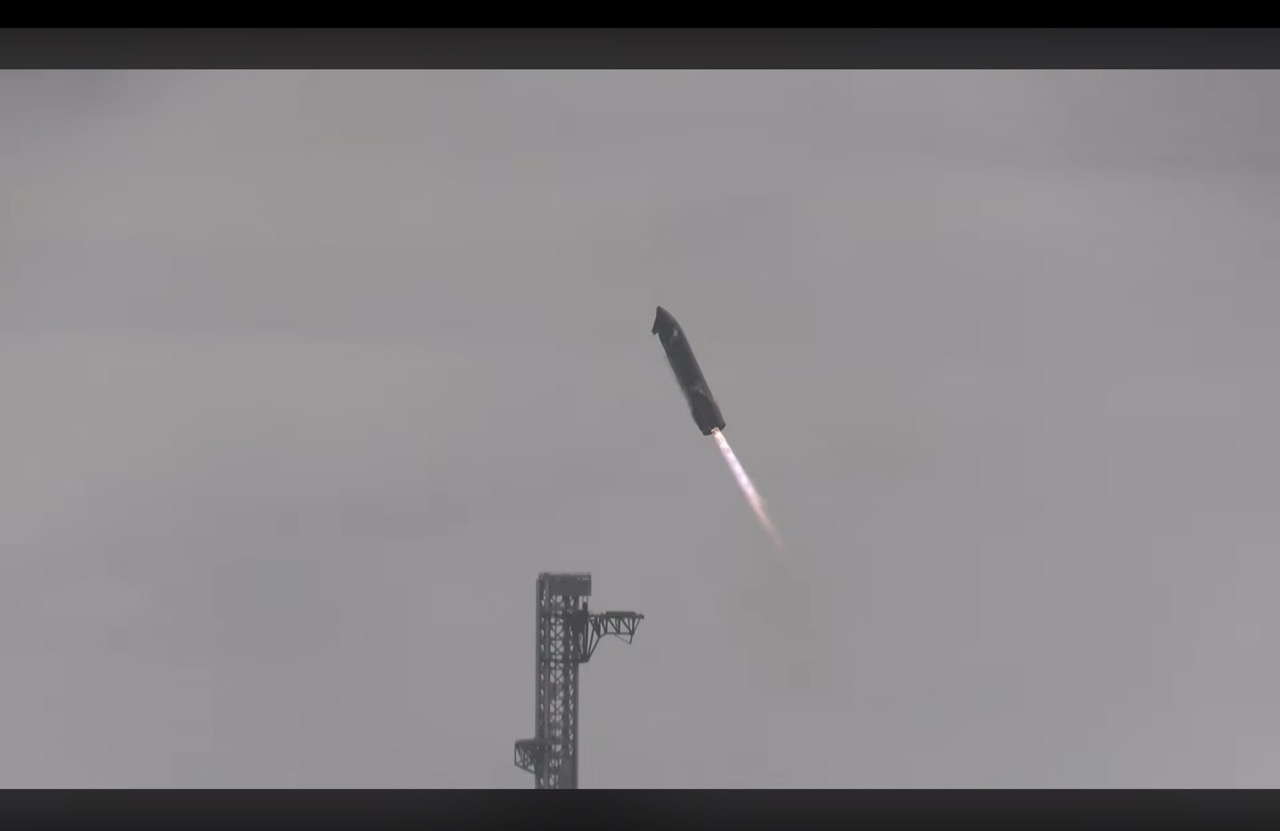
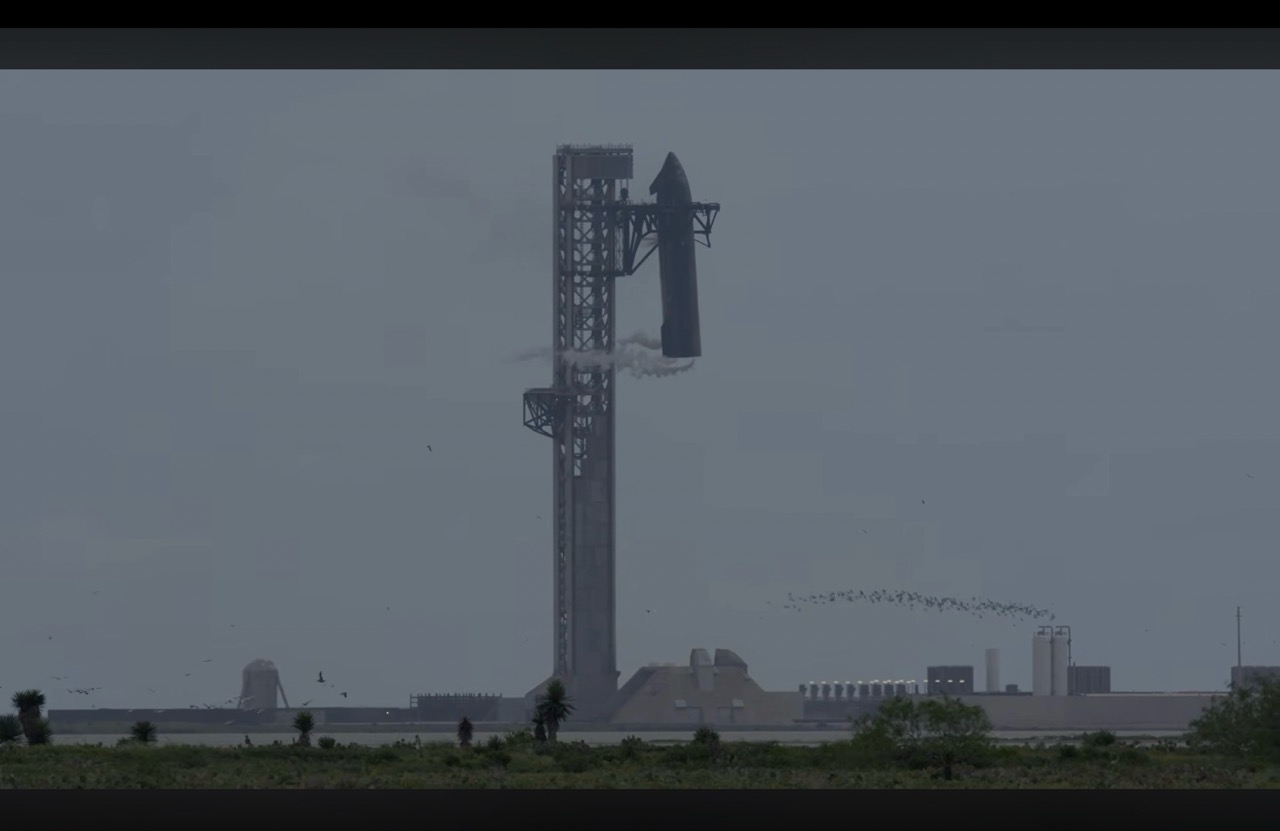
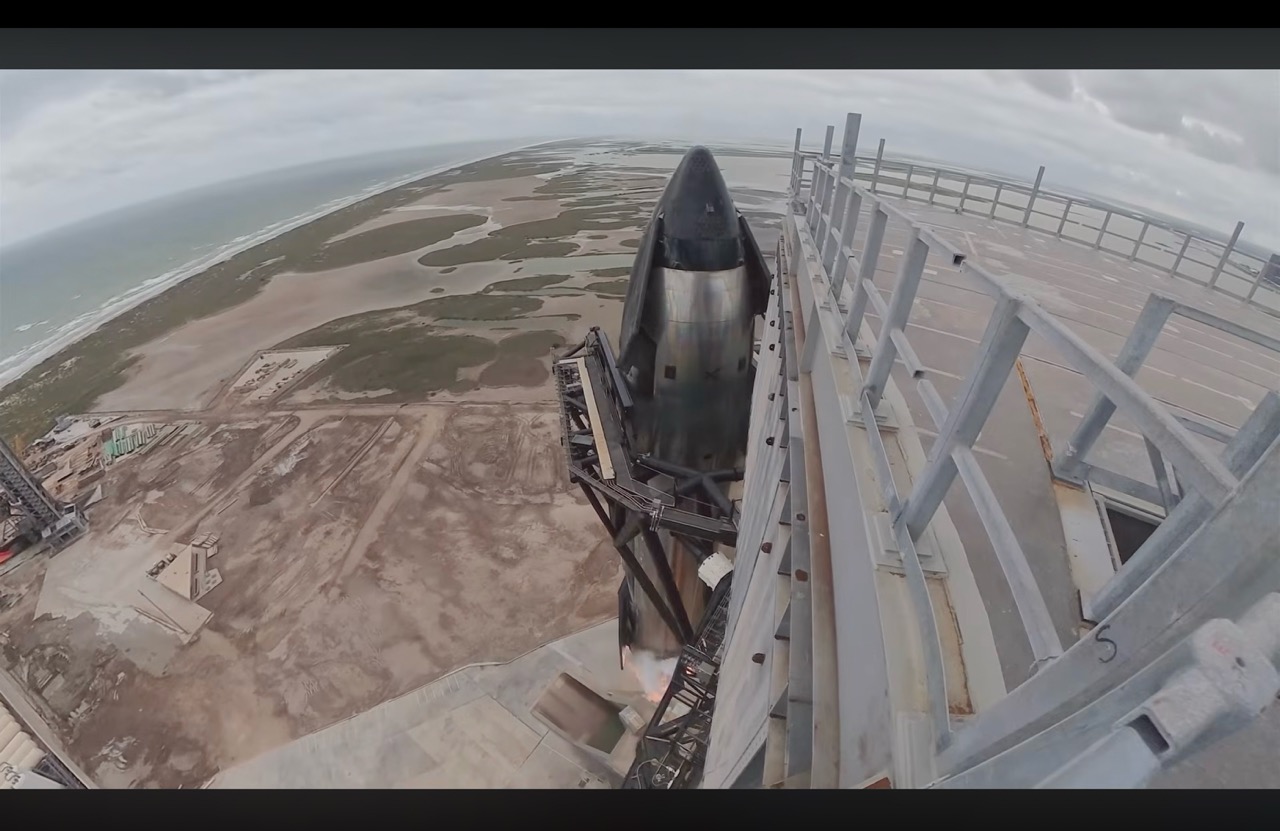
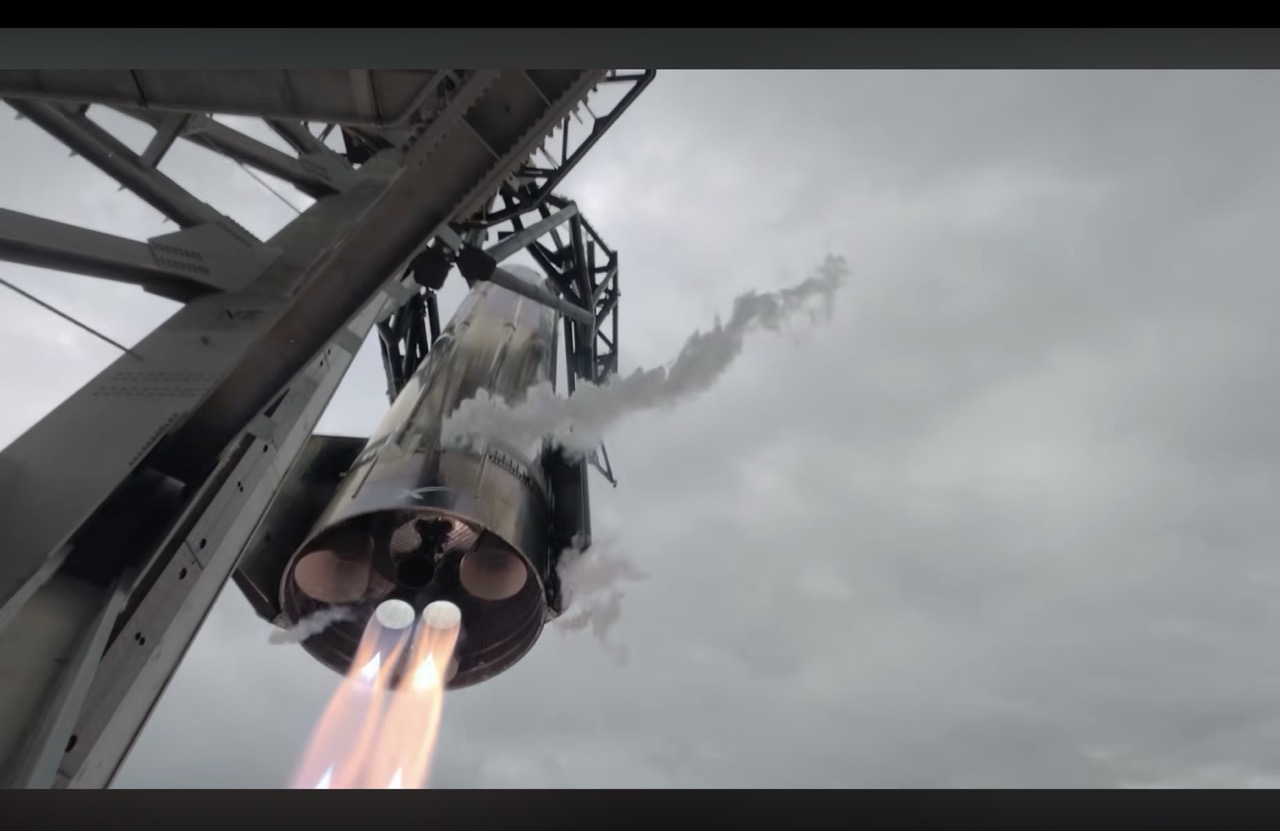
The news hook was Flight 15. On November 14, SpaceX's tower at Starbase caught the Ship upper stage with its chopstick arms, on a first attempt. Ship 42 came down after 14 orbits and roughly 22.5 hours in space. The booster from the same flight aborted its own catch and was lost over the Gulf of Mexico, which Musk did not dwell on.
His argument is that the ship was the last major missing piece. The tower has now caught three boosters, and every part of Starship has been shown to fly to space and come back in good enough shape to fly again. He compared that with the space shuttle, where the big orange tank was thrown away every flight and the orbiter took about nine months to refurbish. Starship is designed to be reused immediately, like an airplane.
The economics are the point. Musk said full and rapid reuse could cut the cost of reaching space by a factor of 100, and eventually maybe 1,000. Because Ship 42 is historic, he said SpaceX will probably leave it on public display instead of risking it on another flight. One fair caveat: with the booster lost, the full stack has not yet been recovered on a single flight.
Why a self respecting civilization needs more than one planet
Musk laid out two reasons for making life multiplanetary. The defensive one is backing up consciousness in case of a natural or man made calamity on Earth, which he called life insurance for life. The forward looking one is that a future among the stars is more inspiring than one without it, because life cannot be only about solving one miserable problem after another.
He tied this back to the cost curve. A city on the Moon or Mars needs a whole base of industry, from mining to refining to finished goods, and he said that moving that much mass would be financially impossible at today's launch prices, even with the whole budget of the United States government. He also noted that civilization is only about 5,500 years old if you count from the first writing, so humanity is a flash in the pan so far.
Rebuilding the AI training stack from scratch
Musk described xAI as a small side project that started because talented engineers wanted to work on large models rather than on Tesla's real world AI. He admitted he did not grow it with the care he gave SpaceX and Tesla, and that his year in politics and government was a side quest that ran longer than it should have. xAI now sits inside SpaceX, which merged with xAI in February.
The fix, he said, was to rewrite the training, reinforcement learning and inference software from scratch, mostly in C with some C++, over roughly six to eight months. His reasoning is that every layer of abstraction costs performance and turns the system into a black box, and that you cannot build world class AI on mediocre free software. He claimed he would be very surprised if anyone has better training software today, then added that xAI still has to prove it by shipping compelling models.
AI training is really a networking problem
The most interesting idea in this part of the talk is that training across hundreds of thousands of GPUs is mostly a networking problem. Getting that many chips to work coherently is the same kind of challenge as running Starlink, so he moved the people who ran Starlink and Starship software over to lead the new stack.
Grok 4.8 is in its reinforcement learning phase, with reports of a 2.5 trillion parameter model circulating. Musk said the goal is usefulness, not benchmarks, which he called a fool's errand. He compared it to how Tesla handles Full Self Driving: trace each failure to bad, missing or skewed data, fix the data and train again.
He also gave a vivid example of why data quality matters. If the reinforcement learning questions are sloppy or the answers are wrong, the model gets told it is wrong when it was right, and its reasoning traces start to look like someone being tortured. Even knowing it is a machine, he said, you feel empathy for it. Grok bot is used for periodic soft releases, so different versions of Grok run under the hood and real usage feeds a data flywheel.
Optimus and the problem of hands
Musk said many humanoid robot demos are staged or pre programmed, and that no robot today can handle an arbitrary task with an object it has never seen. If you move the table, the apple pick up fails. Tesla plans an authentic demo, which he guessed could be a month or two away, where what you see is what you would get day to day.
The hardest part is the hands and forearms, which he said are harder than the rest of the robot combined. He described one test of usefulness: open the box on a toy remote control car, unscrew the battery cover, insert batteries, screw it back on, then drive the car. No robot can do that, and it is one of Tesla's own tests. Gavin Baker asked when someone could own a robot that takes out the trash and puts up the dishes. Musk said Optimus should handle chores like that in about 12 to 18 months.
The first big use, he said, will be heavy industry such as mining and refining ore, plus any job that runs around the clock, before robots make sense in homes. Tesla has started early Optimus production at Fremont, though reporting says full capacity is about a year out.
Cybercab, rolled out with caution
Because the Cybercab has no steering wheel or pedals, Musk said there is no fallback, so Tesla is moving carefully. His stated fear is a single accident that harms someone and gets the whole program shut down by regulators. He said there have been no serious injuries so far, that you can get a Cybercab in Austin within minutes, and that Tesla is expanding to more Texas cities and Florida, with possible California approval early next year.
Tesla says it reached 300 plus Cybercabs serving Austin within a month of launch. The skeptical view, which Electrek lays out, is that building cars does not solve the driving software, and that Robotaxi is unlikely to bring material revenue until at least 2027. Both things can be true at once.
Terafab and the case for risk
Terafab is still in its infancy, Musk said, but the team is growing. He expects the finished project to be around 100 million square feet, which would make it the largest building of any kind on Earth. The plan is to use fairly standard equipment first, then push suppliers for special versions of their machines, and build his own machines where needed.
His timeline is a research fab running and a first test chip around June of next year, with volume production for phase one toward the end of 2028. His hypothesis is that existing chipmakers are excellent but risk averse, given how much money a fab costs, while he will take more risks and iterate fast. The project was announced in March as a joint effort, and Bloomberg noted that Musk has no chip manufacturing background, which is why his own phrase about being cautiously optimistic is the right one to keep in mind.
Building data centers by doing the physical work
This was one of the more practical stretches. Musk compared the way most data centers get built to the meme of one person digging a hole while eight people watch, and said he wants to be the one digging. He says he personally does at least some of every task on site, including pulling power conduit as thick as an anaconda and plugging in fiber.
SpaceX also has an in house team, which he called Army X, that breaks the work into tasks anyone can learn in a few days. He said some of his best hires have been former baristas, shelf stockers and In N Out cooks, and that a person who makes perfect burgers all day will do fine with network cables. The Memphis site runs around the clock, and he walks it at 1 or 2 in the morning to see the same productivity as at 10 a.m.
The numbers he gave are big. He said xAI is bringing on roughly half a gigawatt of AI compute per month, about 220,000 GB300 chips plus networking and cooling, and expects to pass a gigawatt a month by the end of next year. Tesla Megapacks smooth the power swings of GPU loads so that turbines do not break. On cost, he said many estimates for 10 gigawatts of compute are off by a factor of two, and that something near 60 percent of the consensus number is reasonable. These are his claims, and Wall Street will want to check them.
Why orbital compute is simpler than Starlink
Asked how hard it is to make a satellite that computes in space, Musk pointed out that SpaceX already has over 11,000 satellites in orbit and said an AI satellite is simpler than a Starlink V3 satellite, which carries many radio bands, lasers and advanced phased arrays. An AI satellite is mostly a large solar array, a radiator and a compute core.
He gave the physics. The panels produce around 250 watts per square meter, and a double sided radiator facing away from the sun can shed about 1,200 watts per square meter, so you need about five times as much panel area as radiator area. The compute core would be roughly a quarter the size of one of Nvidia's top rack systems with the same capability. SpaceX has since detailed its AI1 compute satellite at about 120 kilowatts of compute power.
Scale is the open question. One analysis estimates that matching a single gigawatt data center would take roughly 10,000 satellites. Musk's answer is solar, aiming for 200 gigawatts a year of photovoltaics for space manufacturing, which he said is about 40 percent of average US power use and impossible to add each year on the ground.
Neuralink, from Telepathy to Blindsight
Musk said Neuralink is a private company of several hundred people and that over 30 people now have the device. The first product, Telepathy, lets people with tetraplegia control a phone, computer or robot arm by thinking. Some users, he said, feed themselves with a robot arm, which shows how life changing small abilities can be. He added that the company is confident it can eventually bridge signals past a broken neck or spine so people can walk again.
The next product is Blindsight, an implant that connects a camera to the visual cortex so that people who are completely blind can see. It earned an FDA breakthrough device designation, but a recent look found that no vision restoration study was listed on ClinicalTrials.gov as of early November. So this one is promising, but it is not yet a human result.
AI safety starts with being maximally truth seeking
The conference's stated mission is to put a positive narrative around AI, and Musk said he thinks the odds of a great future are much higher than those of a bad one. His safety argument was simple. If you force an AI to believe something that is politically comfortable but wrong, you make it build conclusions on a lie, and he paraphrased Voltaire on how people who believe absurdities can commit atrocities.
His preferred approach is an AI that is maximally truth seeking and curious. He thinks a curious AI would want to see how humanity develops, the way we study gorillas instead of wiping them out. He also said superintelligence will be vastly smarter than any human, that this is scary but inevitable, and that Neuralink may eventually help humans work in closer symbiosis with it.
What to take from the conversation
The talk works best as a map of how Musk thinks about his companies: each one feeds the others through shared engineering, chips, power and launch capacity. It also works as a list of promises you can check later.
Starship: full reuse needs a booster and a ship caught on the same flight.
Optimus: an authentic demo in a month or two, chores in 12 to 18 months.
Terafab: a test chip around June next year and volume production toward the end of 2028.
Data centers: over a gigawatt of new AI compute per month by the end of next year.
Cybercab: wider approvals, with California possible early next year.
Musk's track record on timelines is mixed. That does not make them wrong. It does mean the next year will show which of them were forecasts and which were hopes.